
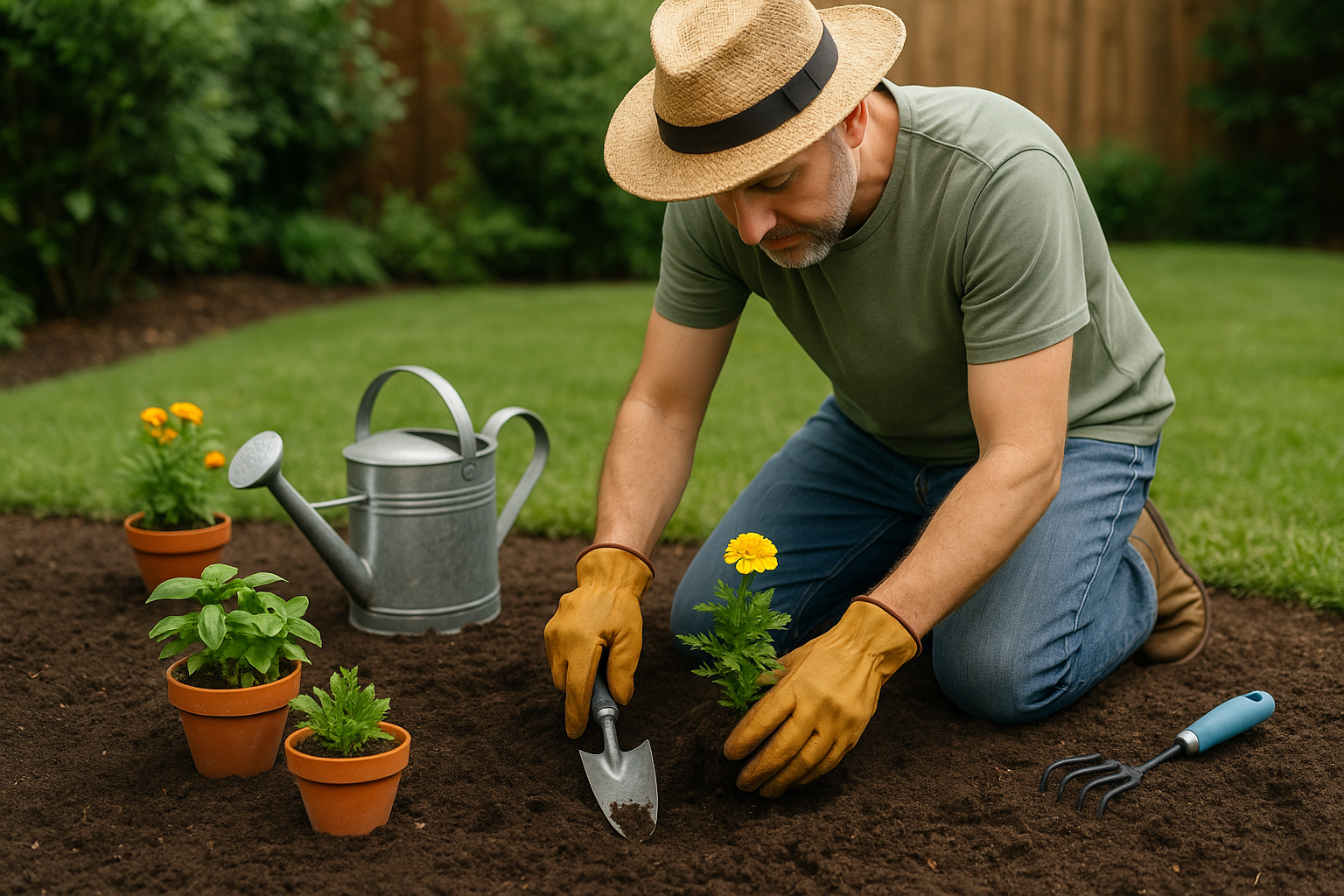
Starting a garden from scratch at home can be a life-changing experience. It not only brings beauty and greenery into your surroundings, but also gives you the opportunity to grow your own herbs, vegetables, or flowers. Whether you’re working with a spacious backyard or a small balcony, gardening is more accessible than ever. With the right guidance and a bit of patience, even complete beginners can build a flourishing green space. In this article, you’ll learn all the essential steps to start your garden from the ground up and enjoy the process every step of the way.
The first thing to consider is choosing the right location. Most plants, especially fruits and vegetables, require at least six hours of direct sunlight each day. Take some time to observe how the sunlight moves across your space during the day. If you’re using a backyard, find an area that isn’t shaded by large trees or buildings. For those with limited space, such as balconies or windowsills, there are still plenty of container-friendly plants that can thrive in smaller environments. Also, choose a place that’s close to a water source to make watering more convenient.
Next, think about what type of plants you want to grow. It’s easy to get excited and try to grow too many things at once, but starting small is often the best approach. Consider your local climate, your available time, and how much maintenance you’re comfortable with. For beginners, herbs like basil, parsley, mint, and rosemary are great choices. They grow quickly and can be used in everyday cooking. If you want to grow vegetables, try tomatoes, lettuce, or radishes. These are relatively low-maintenance and provide satisfying results. If flowers are your goal, go with marigolds, zinnias, or sunflowers. These plants are hardy and colorful, making your garden instantly more attractive.
Once you’ve chosen your plants, it’s time to prepare the soil. Good soil is the foundation of a successful garden. If you’re planting in the ground, test the soil to check its drainage and pH level. Soil that retains too much water can cause roots to rot, while soil that drains too quickly may not retain enough moisture. Most garden centers sell kits that can help you analyze your soil. You can also improve your soil by mixing in organic compost, which adds essential nutrients and improves texture. If you’re planting in pots, use high-quality potting mix instead of regular soil from your yard. Potting mix is lighter and designed for good drainage.
Now that your space and soil are ready, you’ll need a few basic gardening tools. A small set is enough to get started. You’ll need a trowel for digging, pruning shears for trimming, a watering can or hose, and gardening gloves to protect your hands. It’s also helpful to have a small rake or cultivator for loosening the soil and removing weeds. If you’re working in containers, smaller hand tools will be easier to manage.
Planning your garden layout is another important step, especially if you’re using raised beds or multiple containers. Group plants with similar sunlight and water needs together so that you can care for them more efficiently. Taller plants should be placed in a way that they don’t block sunlight from reaching smaller ones. Leave space between plants so they can grow without overcrowding. A well-planned layout not only helps with plant health but also makes your garden look more visually appealing.
When it’s time to plant, read the instructions on seed packets or plant tags carefully. Some plants prefer to be started from seeds, while others do better as young plants from a nursery. When transplanting, be gentle with the roots and make sure to dig a hole that’s large enough to accommodate the root ball. Press the soil firmly around the plant and water it right away. For seeds, make sure they’re planted at the correct depth, usually two to three times as deep as the seed’s diameter.
Watering is one of the most important parts of garden care. Most plants prefer deep, infrequent watering rather than shallow, daily watering. This encourages roots to grow deeper and makes the plant more resilient. The best time to water is early in the morning or late in the afternoon when the sun is not too strong. Avoid watering the leaves directly to prevent mold and disease. Instead, aim the water at the base of the plant. You’ll also want to mulch your garden beds. Mulch helps retain moisture, suppress weeds, and regulate soil temperature. Use straw, bark, or even shredded newspaper as mulch around your plants.
Once your garden is established, keep an eye out for pests or diseases. Common garden pests include aphids, snails, and caterpillars. Look for signs like holes in leaves, yellowing, or stunted growth. Natural pest control options include neem oil, insecticidal soaps, and attracting beneficial insects like ladybugs. Avoid using harsh chemicals, especially if you’re growing edible plants. Keeping your garden clean, removing weeds, and rotating crops can also reduce the risk of problems.
Consistency is key in gardening. Make it a habit to check your plants regularly, even if it’s just a few minutes each day. Look for signs of growth, remove dead leaves, and adjust your care based on the weather and plant condition. Over time, you’ll get a better sense of what your plants need and when.
Gardening is more than a hobby—it’s a practice that teaches patience, responsibility, and care. Watching your plants grow and thrive is a deeply rewarding experience. Whether you’re growing food, flowers, or simply greenery, your garden becomes a peaceful and personal space. With a bit of planning, regular maintenance, and a willingness to learn, anyone can create a beautiful garden from scratch. So roll up your sleeves, grab your tools, and start planting. Your future garden is waiting.