
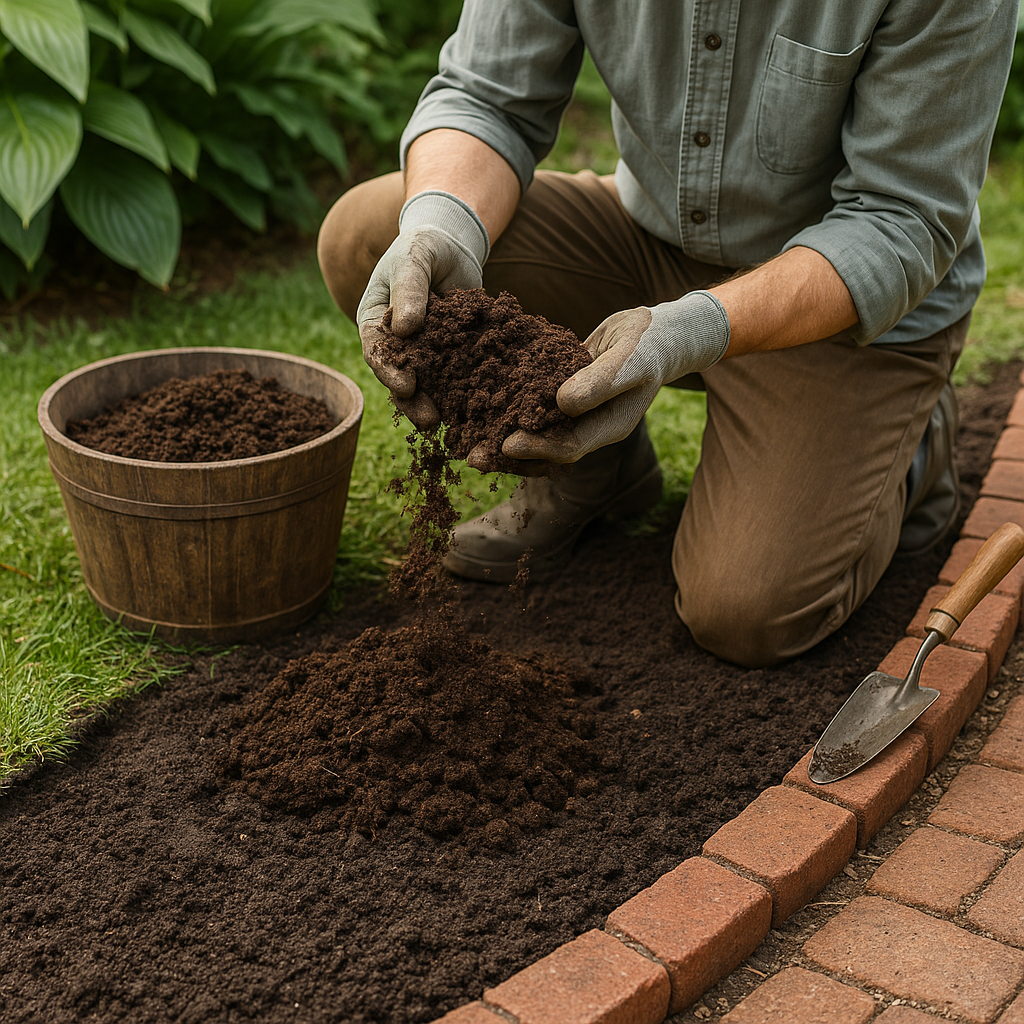
Healthy soil is the foundation of a successful garden. It’s more than just dirt—it’s a living ecosystem full of microorganisms, organic matter, and nutrients that support strong plant growth. Whether you’re growing vegetables, flowers, herbs, or shrubs, maintaining healthy soil year-round is essential for long-term productivity. In this guide, you’ll learn practical ways to care for your soil through every season to ensure a vibrant, thriving garden.
Why Soil Health Matters
Soil that is rich in nutrients and teeming with beneficial microbes helps your plants in multiple ways:
- Provides essential nutrients and minerals
- Improves water retention and drainage
- Supports strong root development
- Increases resistance to pests and diseases
- Reduces the need for chemical fertilizers
When your soil is healthy, your plants are naturally healthier too.
Understand Your Soil Type
Before making improvements, it’s important to know what kind of soil you’re working with. The three main types are:
- Sandy soil: Drains quickly but doesn’t hold nutrients well.
- Clay soil: Holds nutrients but can become compacted and drain poorly.
- Loamy soil: A balanced mix of sand, silt, and clay—ideal for most gardens.
You can test your soil’s texture by moistening a small amount and rolling it into a ball. Sandy soil crumbles, clay sticks tightly, and loamy soil holds together but breaks easily.
Also, consider testing the pH and nutrient content of your soil using an at-home test kit or through a local extension service.
Enrich with Organic Matter
Adding organic matter is one of the most important steps in improving soil health. It feeds microorganisms, improves structure, and enhances nutrient availability.
Great sources of organic matter:
- Compost: Homemade or store-bought, compost adds nutrients and life to the soil.
- Aged manure: Excellent for adding nitrogen, phosphorus, and organic matter.
- Leaf mold: Decomposed leaves add structure and retain moisture.
- Grass clippings: Use in moderation to avoid compaction.
Mix organic materials into your beds in early spring or fall, or top-dress existing beds with a 1–2 inch layer of compost annually.
Rotate Your Crops
If you grow vegetables, avoid planting the same crop in the same spot every year. Crop rotation helps prevent soil depletion and breaks pest and disease cycles.
For example:
- Follow heavy feeders like tomatoes or corn with legumes like beans or peas.
- Rotate root vegetables like carrots after leafy greens like spinach or lettuce.
Keep a simple garden journal to track what you planted and where each year.
Use Mulch Year-Round
Mulching is an effective way to protect soil health in every season.
Benefits of mulch:
- Regulates soil temperature
- Retains moisture
- Prevents erosion
- Suppresses weeds
- Adds organic matter as it breaks down
Use organic mulches like straw, shredded leaves, grass clippings, bark, or wood chips. Reapply as needed throughout the year.
Practice No-Till or Minimal Tilling
Tilling breaks up soil structure and can harm beneficial microbes and earthworms. Over time, no-till methods help build rich, stable soil.
Instead of tilling:
- Add compost on top
- Use mulch to suppress weeds
- Plant cover crops to break up compacted soil naturally
If you must till, do it only when necessary and avoid doing so when the soil is wet.
Grow Cover Crops
Cover crops are plants grown to improve the soil during the off-season (usually fall to spring). They protect soil from erosion, add nutrients, and break up compacted areas.
Common cover crops:
- Clover
- Rye
- Vetch
- Buckwheat
- Mustard
After growing, mow or cut the plants before they go to seed and let them decompose on the soil surface or gently work them in.
Avoid Synthetic Fertilizers and Pesticides
Chemical fertilizers may give your plants a quick boost, but over time they can damage soil biology and lead to nutrient imbalances. Similarly, pesticides can harm beneficial organisms in the soil.
Instead:
- Use organic fertilizers like compost tea, worm castings, or fish emulsion.
- Focus on building healthy soil so your plants naturally resist pests and diseases.
If pest issues arise, use targeted organic solutions and encourage natural predators like ladybugs and birds.
Water with Care
Watering practices directly impact soil structure and health.
Good watering habits:
- Water deeply and less frequently to encourage deep root growth.
- Use drip irrigation or soaker hoses to avoid compacting the soil surface.
- Water early in the morning to reduce evaporation.
Avoid overwatering, which can lead to root rot, soil compaction, and nutrient leaching.
Add Worms and Beneficial Microbes
Earthworms are natural soil builders. They aerate the soil and produce nutrient-rich castings. Encourage them by:
- Avoiding chemical pesticides
- Adding organic matter
- Keeping the soil moist (but not soggy)
You can also introduce beneficial microbes through:
- Compost or worm castings
- Mycorrhizal fungi inoculants
- Compost teas
These microscopic helpers improve nutrient uptake and plant resilience.
Seasonal Soil Care Tips
Spring:
- Test soil and adjust pH or nutrients if needed.
- Add compost before planting.
- Mulch garden beds to retain moisture and suppress weeds.
Summer:
- Monitor moisture levels during hot weather.
- Reapply mulch as needed.
- Keep beds weeded and well-maintained.
Fall:
- Remove dead plants and add them to your compost.
- Top-dress with compost or manure.
- Plant cover crops to protect soil over winter.
Winter:
- Avoid walking on frozen garden beds to prevent compaction.
- Keep beds covered with mulch or cover crops.
- Plan your next planting cycle and crop rotations.
Healthy Soil = Healthy Garden
Caring for your soil is a year-round investment that pays off in stronger plants, higher yields, and fewer problems. Whether you’re growing food or flowers, the key to success is beneath your feet. By feeding your soil, protecting it from harm, and respecting the living organisms within it, you’ll build a foundation that supports your garden for many seasons to come.