
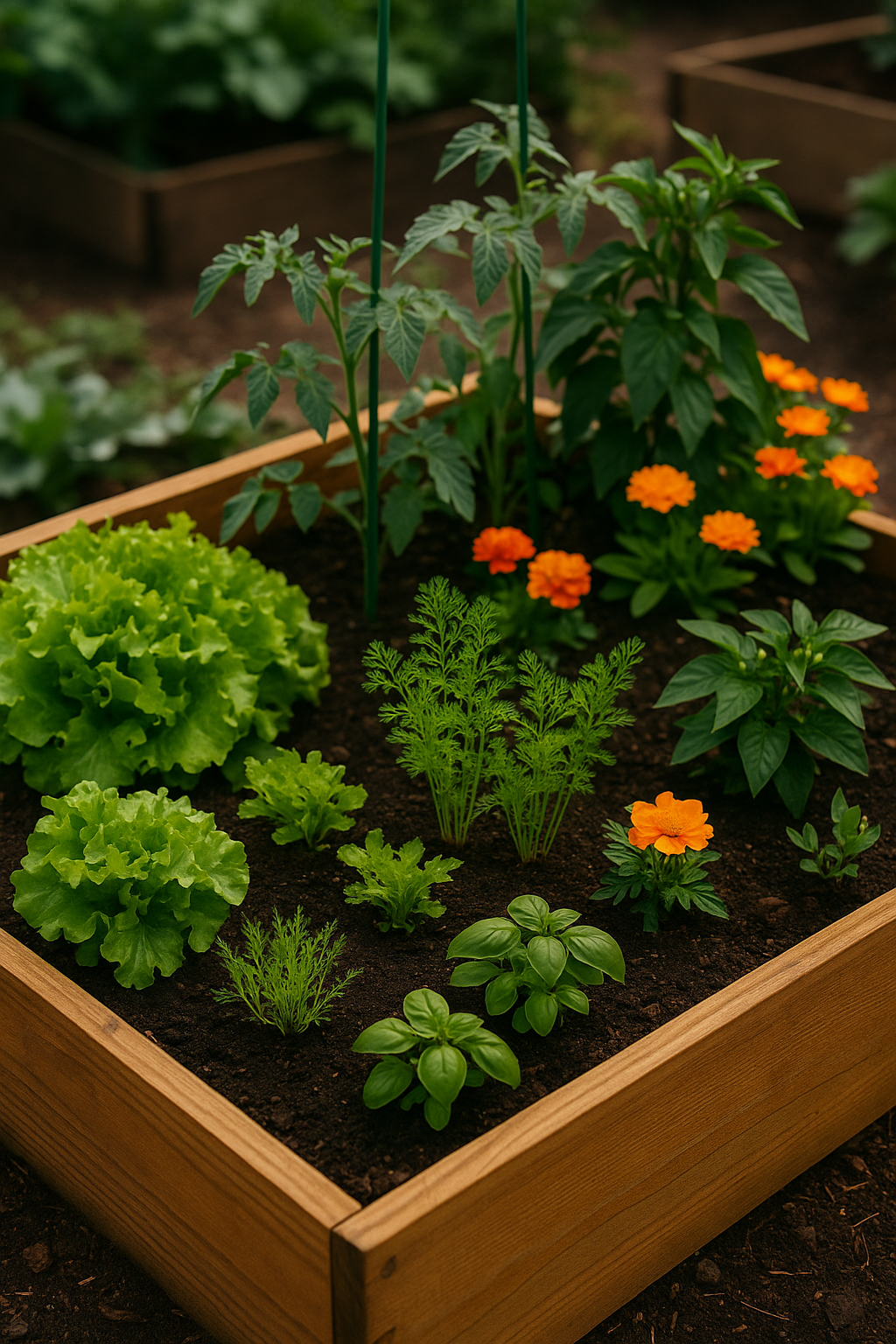
Raised garden beds offer gardeners many advantages: improved soil control, better drainage, less bending, and fewer weeds. But to truly maximize the benefits, it’s important to choose the right plants for this type of setup. Whether you’re growing vegetables, herbs, or flowers, raised beds create an ideal environment for a variety of plants. In this article, we’ll explore the best options to grow in raised garden beds, along with tips to help each plant thrive.
Why Raised Beds Are Great for Growing
Before diving into plant choices, let’s look at why raised beds are such a smart gardening method:
- Better soil quality: You control the soil mix, avoiding issues with poor native soil.
- Improved drainage: Water moves through more efficiently, preventing root rot.
- Extended growing season: Soil warms faster in spring and drains better during heavy rains.
- Fewer weeds and pests: Easier to manage than in-ground beds.
- More accessible: Great for people with limited mobility or small spaces.
Now let’s look at what grows best in this environment.
Best Vegetables for Raised Beds
1. Lettuce and Leafy Greens
Greens like lettuce, spinach, arugula, and kale are ideal for raised beds. They’re fast-growing and shallow-rooted, making them perfect for small spaces.
Tips:
- Grow in partial shade during summer to avoid bolting.
- Harvest outer leaves regularly to extend the season.
2. Carrots
Carrots love loose, deep, well-drained soil—exactly what raised beds provide.
Tips:
- Use fine, rock-free soil to prevent misshapen roots.
- Try colorful or heirloom varieties for variety and fun.
3. Radishes
Fast-growing and space-efficient, radishes are excellent for early-season harvests.
Tips:
- Plant in cool weather and thin seedlings for rounder roots.
- Ready to harvest in as little as 3–4 weeks.
4. Tomatoes
With good soil and sun, tomatoes thrive in raised beds. They benefit from warm, loose soil and better airflow.
Tips:
- Choose compact or determinate varieties if space is limited.
- Stake or cage them early for support.
5. Peppers
Like tomatoes, peppers appreciate warm, well-drained soil. Raised beds help prevent soggy roots.
Tips:
- Provide full sun and consistent watering.
- Harvest when fruits reach full size and color.
6. Cucumbers
Vining cucumbers do well in raised beds, especially when grown vertically on a trellis.
Tips:
- Choose bush types for smaller beds.
- Keep soil consistently moist for best yield.
7. Beans
Both bush and pole beans grow well in raised beds. Pole varieties maximize vertical space.
Tips:
- Direct sow seeds after the last frost.
- Use a trellis for climbing types.
8. Onions and Garlic
These crops thrive in the well-drained soil of raised beds and can be planted close together.
Tips:
- Start from sets or cloves rather than seed for easier growth.
- Harvest when tops begin to yellow and fall over.
Best Herbs for Raised Beds
9. Basil
Basil loves warmth and good drainage, making it a perfect raised bed herb.
Tips:
- Pinch off flowers to keep the plant producing.
- Harvest often for best flavor.
10. Parsley
Great for containers or beds, parsley is hardy and versatile.
Tips:
- Soak seeds overnight to improve germination.
- Trim outer stems to encourage new growth.
11. Thyme
Thyme thrives in dry, loose soil—ideal for raised beds with good drainage.
Tips:
- Water sparingly and provide plenty of sunlight.
- Cut back regularly to maintain shape and encourage new growth.
12. Chives
Easy to grow and great for repeated harvesting, chives add flavor and flowers to your bed.
Tips:
- Divide clumps every couple of years.
- Use the purple flowers as edible decoration.
13. Mint (With caution)
Mint grows aggressively and can take over a garden. Raised beds help contain its spread.
Tips:
- Plant mint in a container within the raised bed, or isolate it.
- Trim often to prevent flowering and spreading.
Best Flowers for Raised Beds
14. Marigolds
These cheerful flowers deter pests and attract pollinators—great companions for vegetables.
Tips:
- Plant around the border of your bed.
- Deadhead regularly to keep blooms coming.
15. Nasturtiums
Edible flowers that attract beneficial insects and deter pests like aphids.
Tips:
- Let them trail over the edge of the bed.
- Leaves and flowers are peppery and delicious in salads.
16. Zinnias
Bright, colorful, and easy to grow, zinnias are perfect for sunny raised beds.
Tips:
- Space well for air circulation to prevent mildew.
- Great cut flower and pollinator magnet.
17. Calendula
Another edible flower, calendula adds beauty and attracts pollinators.
Tips:
- Use petals in teas or skin salves.
- Grows easily from seed and reseeds readily.
Companion Planting in Raised Beds
Mixing plants that benefit each other saves space and improves productivity.
Good combinations:
- Tomatoes + basil (flavor boost and pest repellent)
- Carrots + onions (onions deter carrot flies)
- Cucumbers + nasturtiums (attract pollinators and deter pests)
- Lettuce + radishes (radishes mature quickly and loosen soil for lettuce roots)
Avoid planting heavy feeders like tomatoes or corn too close to one another without replenishing nutrients.
Tips for Raised Bed Success
- Use quality soil: Mix compost, topsoil, and perlite or sand for drainage.
- Water deeply: Raised beds dry out faster—ensure consistent moisture.
- Add mulch: Retains moisture and keeps weeds down.
- Rotate crops yearly: Prevents nutrient depletion and pest buildup.
- Fertilize organically: Use compost, worm castings, or organic liquid fertilizers.
A Productive Garden at Your Fingertips
Raised beds make gardening more manageable and productive, especially when you choose plants that naturally thrive in those conditions. Whether you’re growing vegetables for your kitchen, herbs for cooking, or flowers for pollinators, your raised garden can be both beautiful and bountiful.
With a thoughtful mix of edible and ornamental plants, you’ll enjoy a vibrant and sustainable garden—right at arm’s reach.