
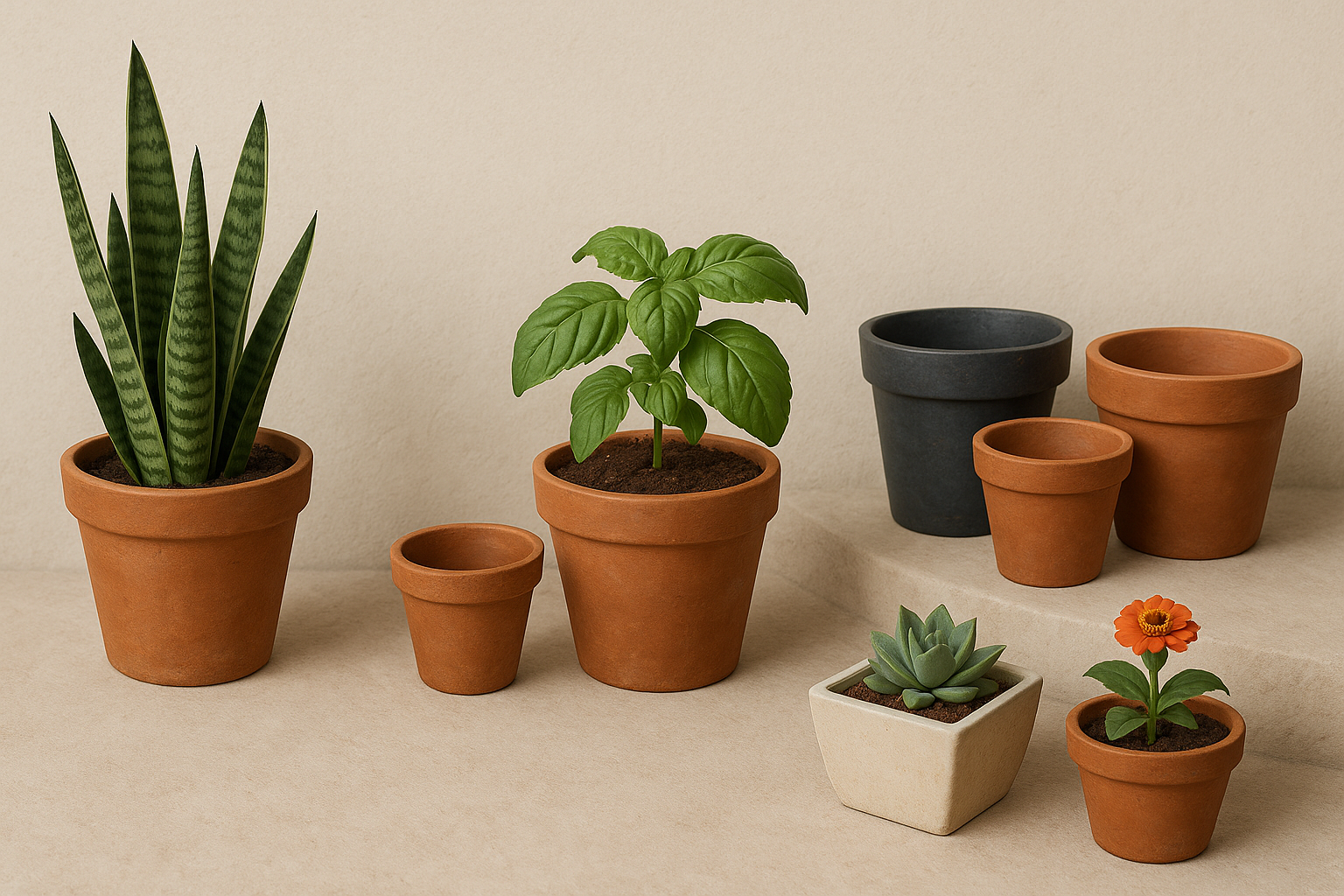
Choosing the right pot for your plants is more than just a matter of appearance. While the look and style of a pot can certainly enhance your space, its size, shape, material, and functionality play a direct role in the health and growth of your plants. Whether you’re gardening indoors or outside, understanding how to select the best pot for each plant can make the difference between a thriving garden and a struggling one. In this article, we’ll walk through everything you need to know to choose the best pot for your plants with confidence.
The first and most important consideration is drainage. A pot without proper drainage holes at the bottom can hold excess water, leading to root rot — one of the most common reasons plants die. When water doesn’t drain, it creates a soggy environment that can suffocate the roots and promote fungal growth. Always choose pots with at least one drainage hole. If you find a decorative pot that doesn’t have holes but you love the look, use it as a cover pot. Simply place a functional pot with drainage inside it, and remove the inner pot when it’s time to water.
Next, consider the size of the pot. A pot that’s too small can restrict root development, dry out quickly, and stunt plant growth. On the other hand, a pot that’s too large for a small plant may hold too much moisture, also causing root issues. As a general rule, choose a pot that is 1 to 2 inches larger in diameter than the current size of the plant’s root ball. For fast-growing plants, you can go slightly larger. For slower growers, avoid going too big too soon. Repotting into a larger container is a natural part of the plant’s life cycle, so don’t feel like you need to start with a huge pot right away.
The material of the pot also plays an important role in plant health. The most common materials are terracotta (clay), plastic, ceramic, metal, wood, and fabric.
Terracotta pots are classic and porous, allowing air and moisture to pass through the walls. This makes them ideal for plants that prefer drier conditions, like succulents and cacti. However, they can dry out quickly and are fragile, especially in freezing weather.
Plastic pots are lightweight, inexpensive, and retain moisture longer. They’re a good choice for plants that need consistently moist soil or for people who might forget to water regularly. Plastic is also more forgiving for indoor use, as it doesn’t break easily and comes in many styles and colors.
Ceramic pots are often glazed and decorative, making them popular for indoor houseplants. They’re heavier and can retain moisture similarly to plastic, but they’re usually more expensive. Some ceramic pots don’t have drainage holes, so be cautious and consider using them as outer decorative covers only.
Metal pots offer a sleek, modern look, but they can heat up quickly in direct sunlight and may rust over time. If using metal containers, line them with another pot inside to protect roots from temperature extremes.
Wood planters are natural and attractive, great for rustic or outdoor designs. Cedar and redwood are naturally resistant to rot, making them excellent choices. However, untreated wood can eventually degrade with time and moisture.
Fabric pots, or grow bags, are gaining popularity because they are breathable, promote strong root systems, and are easy to store when not in use. They’re excellent for vegetables and herbs, especially in small spaces.
Another aspect to consider is pot depth and shape. Plants with shallow root systems like lettuce or herbs do well in shallow pots. Deep-rooted plants like tomatoes or snake plants need taller containers to support their growth. Square and round pots are both good options, but keep in mind that square pots can hold more soil and are easier to line up side by side, especially in garden beds or patios.
You should also think about the location where the pot will be placed. For outdoor gardening, consider heavier pots that won’t blow away in strong winds. For indoor spaces, lightweight pots are easier to move around and less likely to damage floors. If you’re placing pots on surfaces that are sensitive to moisture, use saucers or trays to catch any excess water that drains from the bottom.
When it comes to style, color, and design, feel free to express your creativity. Neutral tones like gray, white, black, or terracotta blend easily with most environments, while bold colors can make your plants pop and become focal points in a room or garden. Just make sure that the decorative features don’t come at the cost of proper drainage or function.
One often overlooked factor is repotting flexibility. Some pots have tapered sides that make it easier to remove the plant when it’s time to repot, while others with narrow tops can make it difficult to slide the root ball out. If you plan on repotting regularly or growing a plant that needs space to expand, choose pots that allow easy access and removal.
If you’re concerned about sustainability, consider eco-friendly options. Recycled plastic, biodegradable pots, and upcycled containers like old tins, baskets, or crates can be both practical and environmentally responsible. Just ensure they’re clean and modified with drainage if needed.
In summary, the best pot for your plant depends on several key factors: proper drainage, appropriate size, material suited to the plant’s needs, and placement. Once those basics are covered, you can have fun choosing pots that match your personality and home decor. Choosing the right container isn’t just about how it looks — it’s about creating the ideal environment for your plants to thrive. With the right pot, your plants will be healthier, happier, and more likely to reward you with steady growth and beauty.