
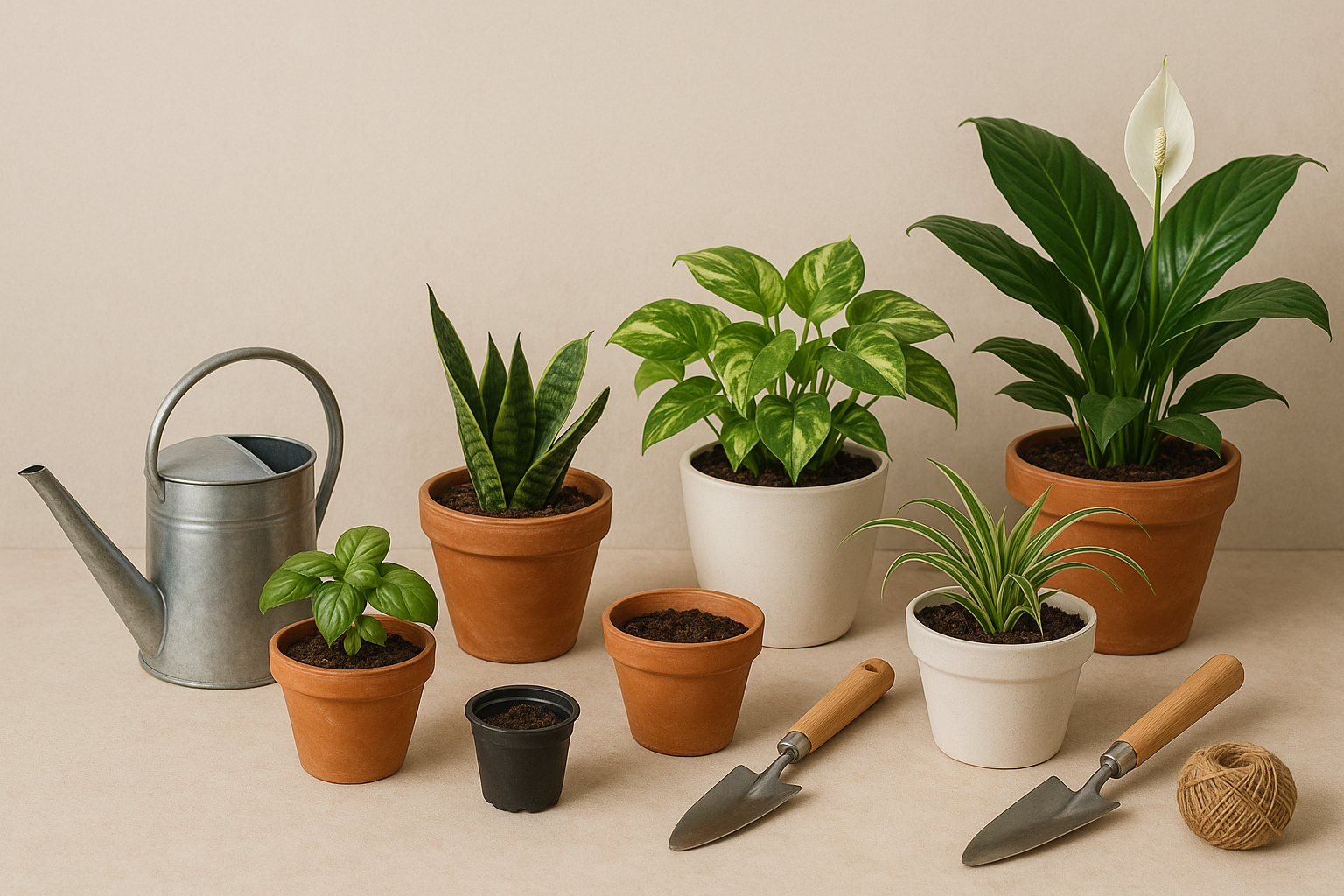
Indoor gardening is a rewarding and accessible hobby that allows you to bring nature inside your home, even if you live in a small apartment or have no access to outdoor space. From improving air quality to adding a calming atmosphere, indoor plants offer numerous benefits. However, for beginners, getting started can feel confusing. This guide will walk you through the key steps to start your indoor garden successfully, even if you’ve never cared for a plant before.
The first step in starting an indoor garden is choosing the right location. Light is one of the most important factors for plant growth. Observe the natural light in different areas of your home throughout the day. South-facing windows typically provide the most sunlight, while east- and west-facing windows offer moderate light. North-facing windows usually receive the least. Understanding your light conditions will help you choose the right plants for each space. If your home lacks sufficient natural light, consider investing in grow lights, which can simulate sunlight and allow plants to thrive anywhere indoors.
Once you’ve selected your space, it’s time to choose beginner-friendly plants. Not all indoor plants are equally easy to care for. Some require more humidity, light, or attention than others. Great starter options include the snake plant (Sansevieria), pothos, spider plant, peace lily, and ZZ plant. These varieties are known for their resilience and ability to thrive in a range of indoor conditions. If you’re interested in edible gardening, consider herbs like basil, mint, parsley, or thyme, which grow well on sunny windowsills and can be used in your cooking.
Choosing the right containers is also important. Pots should have drainage holes to prevent water from accumulating at the bottom, which can cause root rot. If your chosen pot doesn’t have holes, you can use it as a decorative cover for a plastic pot that does. Materials like terracotta, ceramic, and plastic are all good options. Terracotta is breathable and great for plants that prefer dry soil, while plastic retains moisture longer and is lighter to move around.
Next, you’ll need to select an appropriate potting mix. Garden soil is too dense for most indoor plants and may contain pests or diseases. Use a high-quality potting mix designed for indoor gardening. There are specialized mixes available for succulents, orchids, and general houseplants. These mixes offer the right balance of drainage and water retention for healthy root growth.
Now that your space, plants, and containers are ready, it’s time to learn how to plant properly. If you’re transplanting a plant from a nursery pot, gently remove it by squeezing the sides of the pot and tipping it upside down while supporting the plant. Loosen the roots slightly, especially if they are compacted. Place the plant in the new container, fill around the roots with potting mix, and press lightly to secure it. Water thoroughly until you see water drain out the bottom.
Watering is a key element of indoor gardening success. Most beginner mistakes involve either overwatering or underwatering. Every plant has different needs, but a general rule is to water when the top inch of soil feels dry. For succulents, let the soil dry out completely between waterings. Plants in plastic pots may need less frequent watering than those in clay pots. Use a small watering can with a narrow spout to control the flow and avoid splashing water on leaves.
Humidity and temperature also affect plant health. Many tropical houseplants prefer higher humidity levels than are typically found indoors, especially during winter when heaters are running. You can increase humidity by misting your plants, placing them near a humidifier, or grouping them together. Avoid placing plants near cold drafts or heating vents, as these temperature extremes can cause stress.
Fertilizing helps plants grow but should be done sparingly. During the growing season (usually spring and summer), feed your plants once a month with a diluted, balanced liquid fertilizer. Avoid fertilizing in the winter when most houseplants are resting. Too much fertilizer can damage roots and cause leaf discoloration.
As your indoor garden grows, you’ll need to do some maintenance. Prune yellowing or dead leaves to encourage new growth and keep the plant tidy. Check regularly for pests like aphids, spider mites, and mealybugs. If you notice small insects or sticky residue on your plants, isolate the affected plant and treat it with insecticidal soap or neem oil.
One of the best parts of indoor gardening is the opportunity to observe and learn. Every plant has its own behavior and needs. Some will show you clearly when they are unhappy — like drooping leaves or discoloration — while others are more subtle. Spend a few minutes each day looking at your plants, touching the soil, and enjoying the greenery. Over time, you’ll develop intuition and confidence.
Lastly, remember that not every plant will thrive, and that’s okay. Failure is part of the learning process. If a plant doesn’t survive, use it as a learning experience and try again. The more you experiment, the better you’ll understand what works best in your space.
Indoor gardening is not only a way to beautify your home, but also a form of self-care. Watching your plants grow, adjusting your routines, and connecting with nature — even in a small apartment — can bring a sense of calm and accomplishment to your daily life. With just a few basic tools, the right plants, and some consistent care, you can build a thriving indoor garden from scratch.