
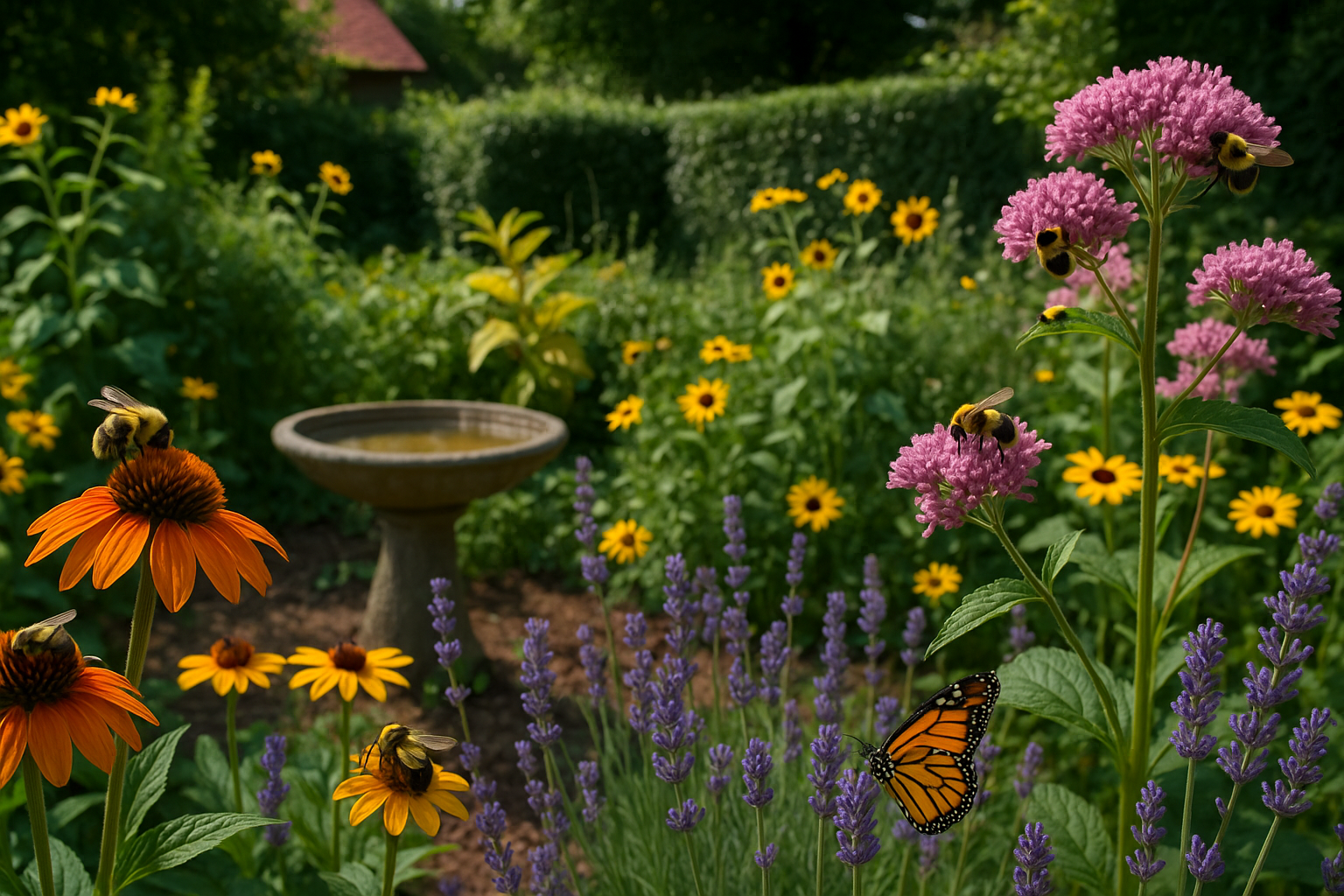
Pollinators are the unsung heroes of the garden. Bees, butterflies, birds, beetles, and other beneficial insects play a vital role in plant reproduction by transferring pollen from flower to flower. Without them, many fruits, vegetables, and flowers wouldn’t exist. If you want a thriving, productive, and biodiverse garden, learning how to attract pollinators naturally is essential. In this article, you’ll discover simple strategies to make your garden a welcoming habitat for these crucial creatures.
Why Pollinators Are Important
Pollinators aren’t just pretty—they’re powerful. Here’s what they bring to your garden and the environment:
- Increase crop yield: More pollinators mean more fruits and vegetables.
- Support biodiversity: A garden rich in pollinators hosts more plant and animal life.
- Improve plant health: Proper pollination leads to stronger, more resilient plants.
- Strengthen ecosystems: Pollinators are a food source for birds, amphibians, and other wildlife.
Bees get most of the credit, but butterflies, moths, hummingbirds, beetles, and even bats also play vital roles.
Grow a Variety of Native Plants
Native plants are adapted to your local environment and more attractive to native pollinators. They require less water, fewer chemicals, and provide the right nectar and pollen at the right times.
How to choose native plants:
- Consult local gardening centers or extension services
- Research regional wildflowers, shrubs, and trees
- Look for plants labeled as “pollinator-friendly” or “bee-friendly”
Examples of pollinator-friendly plants (varies by region):
- Coneflowers
- Black-eyed Susans
- Milkweed
- Bee balm
- Goldenrod
- Lavender
- Yarrow
- Sunflowers
Planting a diverse mix ensures blooms from early spring to late fall, providing food year-round.
Provide Continuous Blooms
Pollinators need nectar and pollen all season—not just during peak flowering months. Choose plants that flower at different times of the year.
Sample bloom timeline:
- Spring: Crocus, snowdrops, phlox
- Summer: Zinnias, bee balm, echinacea
- Fall: Sedum, goldenrod, asters
Group similar plants together in clusters (3 or more of the same species) to make it easier for pollinators to find them.
Avoid Pesticides and Chemicals
Pesticides, especially neonicotinoids, are harmful to bees and other beneficial insects—even in small amounts.
Safer alternatives:
- Use insecticidal soap or neem oil (only when needed)
- Release beneficial insects like ladybugs or lacewings
- Encourage natural predators like birds, frogs, and spiders
If you must apply something, do it in the evening when pollinators are less active, and never spray directly on flowers.
Provide Fresh Water Sources
Pollinators, like all living creatures, need water to survive. A shallow water source can make a huge difference.
Easy water source ideas:
- A shallow dish with pebbles for bees to land on
- A small birdbath with clean water
- A gently dripping hose or low fountain
- Avoid stagnant water to prevent mosquito breeding
Change the water regularly to keep it fresh and safe.
Create Shelter and Nesting Areas
Pollinators also need places to rest, nest, and overwinter. Different species have different needs.
For bees:
- Leave bare patches of soil for ground-nesting bees
- Create small mounds of sand or clay
- Add bee hotels with small tubes (6 inches deep, 1/4 inch wide)
For butterflies:
- Let a small portion of your garden go wild
- Provide host plants like milkweed for monarch caterpillars
- Avoid removing dead logs or old plant stems—they offer shelter
For hummingbirds:
- Add trees and shrubs for perching and nesting
- Hang feeders (cleaned weekly) with homemade nectar (1 part sugar to 4 parts water, no dye)
Reduce Lawn Space
Traditional grass lawns offer little value to pollinators. Consider replacing part of your lawn with native flowers, wildflower meadows, or clover patches.
Even a small patch of wildflowers can provide more food and shelter than an entire lawn.
Add Pollinator Habitats and Features
Go a step further by designing areas specifically for pollinators.
Try:
- A dedicated pollinator bed with high-nectar flowers
- A wildflower strip along a fence or path
- A pollinator garden sign to raise awareness in your community
You can also include logs, brush piles, and hedges to create a diverse habitat.
Let Your Garden Get a Bit Messy
Pollinators love gardens that aren’t too neat. Allowing some leaves to remain on the ground, stems to stand through winter, and weeds like dandelions to flower early in spring provides vital food and shelter.
Avoid removing all “dead” plant material—some of it is still alive with insect eggs, larvae, or overwintering adults.
Involve the Community
If you want to amplify your impact, inspire your neighbors, local schools, or community centers to join in.
- Start a pollinator pathway connecting green spaces
- Host a native plant swap or seed exchange
- Work with schools to create pollinator gardens
Pollinators move across large distances, so the more welcoming habitats there are, the better.
A Buzzing, Blooming Garden
Creating a pollinator-friendly garden is one of the most rewarding ways to give back to nature. You’ll not only enjoy a more vibrant and productive garden, but you’ll also be helping safeguard biodiversity and the food chain.
With just a few simple changes—planting native species, avoiding chemicals, and providing water and shelter—you’ll transform your garden into a sanctuary that hums, flutters, and thrives all season long.