
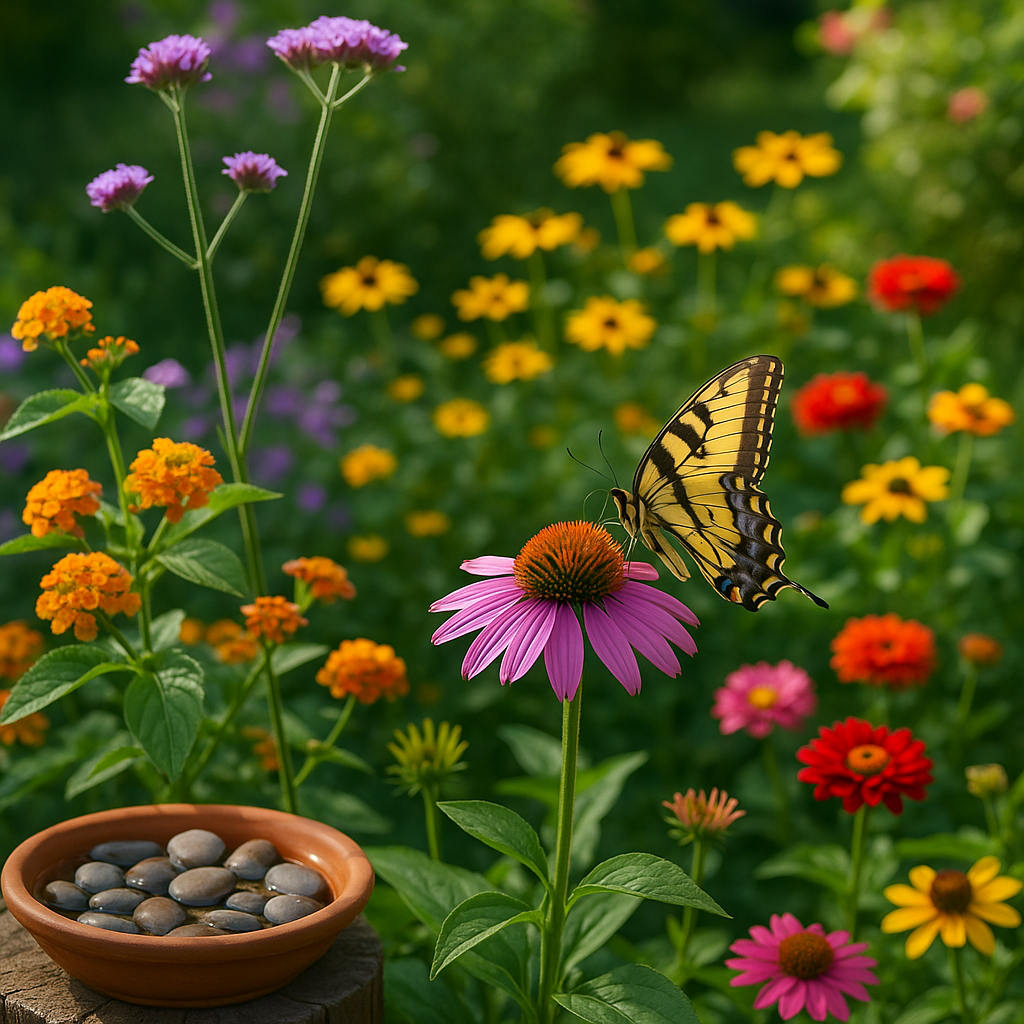
Butterflies are not only beautiful and graceful—they’re also vital pollinators that contribute to a healthy and thriving garden. By creating a butterfly-friendly garden in your backyard, you’ll attract these enchanting creatures while also enhancing biodiversity and supporting your local ecosystem. In this article, you’ll learn how to design and maintain a butterfly garden that offers everything these delicate visitors need to flourish.
Why Attract Butterflies?
Butterflies aren’t just a delight to watch; they also bring practical benefits to your garden:
- Pollination: Like bees, butterflies transfer pollen between flowers.
- Biodiversity: Butterfly gardens attract a wide range of beneficial insects.
- Education: Observing butterfly life cycles is fascinating for kids and adults alike.
- Beauty: Their colors and movement add visual interest and joy to any space.
Creating a butterfly garden is also a small but powerful way to support declining pollinator populations.
Step 1: Choose the Right Location
Butterflies are cold-blooded and rely on sunlight to warm their wings. They also need shelter from wind and rain.
Ideal conditions:
- Full sun (at least 6 hours per day)
- Sheltered from strong wind
- Near other flowering plants or natural areas, if possible
Butterflies often travel from garden to garden, so placing yours near a tree line, fence, or existing flower bed can help them find it more easily.
Step 2: Provide Host Plants for Caterpillars
To support the full butterfly life cycle, you need more than just nectar-rich flowers. Caterpillars need host plants to feed on before becoming butterflies.
Examples of host plants:
- Milkweed for Monarchs
- Dill, parsley, fennel for Black Swallowtails
- Passionflower for Gulf Fritillaries
- Willow or birch trees for Viceroys
- Violets for Fritillary butterflies
Don’t worry if the leaves get chewed—it means your garden is doing its job!
Step 3: Plant Nectar-Rich Flowers
Butterflies feed on nectar, so include a variety of flowering plants that bloom from spring to fall.
Top nectar plants:
- Coneflower (Echinacea)
- Black-eyed Susan
- Zinnias
- Lantana
- Verbena
- Bee balm
- Butterfly bush (Buddleia) – use sterile varieties to avoid spreading
Tips:
- Plant in clusters rather than isolated blooms—it’s easier for butterflies to locate.
- Choose a mix of colors and flower shapes to attract a range of species.
- Use native plants whenever possible, as they’re best adapted to local butterflies.
Step 4: Avoid Pesticides and Chemicals
Butterflies, especially in their caterpillar stage, are extremely sensitive to chemicals. Pesticides, herbicides, and synthetic fertilizers can be deadly to them.
Safer alternatives:
- Hand-pick pests when needed
- Use insecticidal soap only as a last resort
- Encourage beneficial insects and birds as natural pest control
A truly butterfly-friendly garden is an organic garden.
Step 5: Provide Water and Resting Spots
Butterflies don’t drink from deep water. They need shallow puddles or moist areas with access to minerals.
Create a butterfly watering station:
- Fill a shallow dish with wet sand or gravel
- Add a few flat stones for perching
- Occasionally sprinkle the sand with water or salty mineral solution
Butterflies also love to bask in the sun, so place a few flat stones in sunny spots for them to rest and warm up.
Step 6: Add Shelter and Overwintering Sites
Butterflies need safe spaces to hide from predators and lay eggs. They also need places to spend the winter or go into dormancy.
Ideas for shelter:
- Shrubs, hedges, or tall grasses
- Dense perennials like Joe-Pye weed or goldenrod
- Brush piles or wood stacks
- Uncut stems or leaves left through winter
Avoid cleaning up your garden too thoroughly in fall—some butterflies overwinter as chrysalises hidden in debris.
Step 7: Think Like a Butterfly
When designing your butterfly garden, consider the needs of butterflies at all life stages:
- Eggs – Need host plants
- Caterpillars – Need leaves to eat and shelter
- Chrysalises – Need protected areas and undisturbed surfaces
- Adults – Need nectar, sun, and water
The more complete your habitat, the more butterflies you’ll attract and support long-term.
Design Tips for a Butterfly Garden
- Use curved or meandering paths: They mimic natural movement and add interest.
- Layer plant heights: Use tall flowers at the back, mid-height in the center, and low growers at the front.
- Include a bench or seat: So you can enjoy watching the butterflies up close.
- Add signs or markers: Educational elements can help children (and adults) learn about different species and plants.
Even a small 4×4 garden bed or a few containers can become a butterfly haven if designed thoughtfully.
Maintenance for a Thriving Garden
- Deadhead flowers regularly to encourage more blooms
- Cut back some perennials in early spring (not fall) to protect overwintering insects
- Refill watering stations and clean as needed
- Replenish soil with compost or organic mulch
Butterfly gardens require less maintenance than traditional lawns and are more rewarding over time.
A Backyard Full of Wings and Wonder
There’s something magical about watching butterflies flutter from flower to flower. By creating a garden that supports their needs, you’re not just decorating your yard—you’re helping nature thrive.
Whether you dedicate an entire space or just a sunny corner, a butterfly garden adds beauty, life, and purpose to your backyard. With the right plants, some water, and a pesticide-free environment, you’ll be visited by these delicate pollinators all season long.