
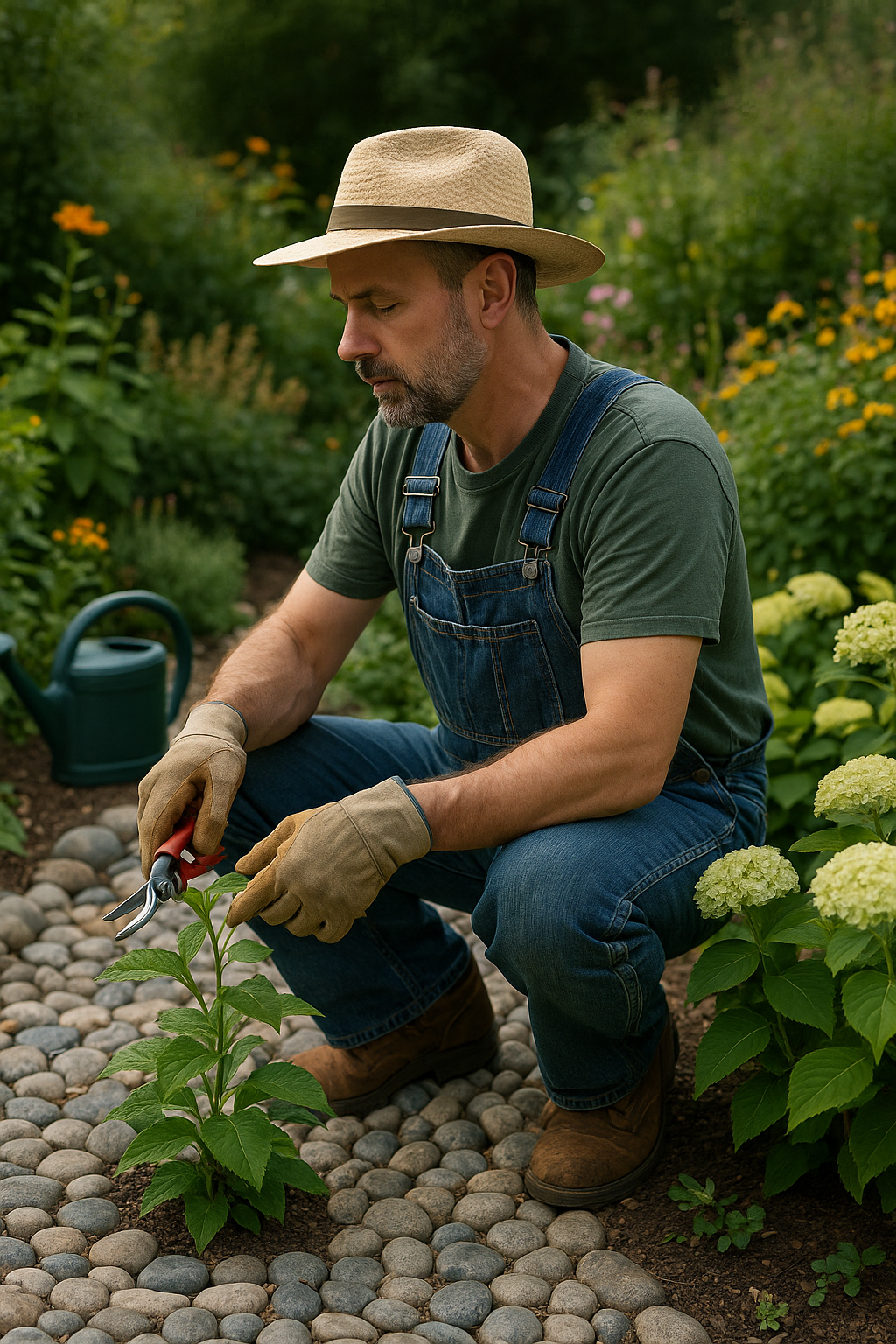
Gardening on a budget can be incredibly rewarding, but it’s easy to fall into traps that waste time, money, and effort. Whether you’re new to gardening or looking to cut costs, avoiding common mistakes is key to creating a beautiful, thriving garden without overspending. In this article, we’ll explore the most frequent budget gardening errors—and show you how to steer clear of them.
1. Buying Too Many Plants at Once
It’s tempting to buy everything that catches your eye at the garden center, especially when prices seem low. But overbuying leads to wasted money and overcrowded gardens.
Avoid it by:
- Planning your garden layout first
- Making a list before shopping
- Starting with a few key plants and expanding over time
Tip: Consider starting with perennials that return year after year, rather than annuals you have to replace.
2. Not Knowing Your Sun and Soil Conditions
Planting without understanding your garden’s light and soil can lead to poor growth or dead plants—wasting money.
Avoid it by:
- Observing your space throughout the day to note sun patterns
- Testing your soil’s pH and drainage
- Choosing plants that match your site’s actual conditions
Tip: A simple at-home soil test kit can help you avoid costly mistakes.
3. Ignoring Your Local Climate
Trying to grow plants that aren’t suited to your climate often results in frustration and money lost on replacements.
Avoid it by:
- Checking your USDA hardiness zone (or local equivalent)
- Choosing native or climate-adapted plants
- Asking local gardeners or nurseries for recommendations
Tip: Native plants usually need less water and maintenance.
4. Skipping Soil Preparation
Even the healthiest plants will struggle in poor soil. Many budget-conscious gardeners skip amending their soil, but this often leads to low yields and increased maintenance costs.
Avoid it by:
- Adding compost or organic matter before planting
- Avoiding chemical fertilizers that degrade soil over time
- Mulching to retain moisture and improve soil structure
Tip: Homemade compost is free and improves soil naturally.
5. Spending on Fancy Tools You Don’t Need
It’s easy to fall for the latest gardening gadgets—but most gardens only need a few basics.
Avoid it by:
- Starting with essentials: gloves, hand trowel, pruners, watering can or hose
- Buying second-hand tools or borrowing from friends
- Waiting until you know what you actually need before investing
Tip: Quality matters more than quantity—choose durable tools that last.
6. Ignoring Plant Spacing Guidelines
Overcrowding plants may seem like a way to save space or money, but it leads to competition for nutrients, poor air circulation, and higher risk of disease.
Avoid it by:
- Reading plant labels and following spacing recommendations
- Thinning seedlings when necessary
- Planning for mature plant sizes—not just when they’re young
Tip: Less is often more. A well-spaced, healthy plant is more productive than three crowded ones.
7. Not Starting from Seed When You Could
Buying transplants is convenient but often more expensive. Many plants grow easily from seed with just a bit of patience.
Avoid it by:
- Starting seeds indoors in recycled containers
- Direct-sowing hardy crops outdoors
- Trading seeds with other gardeners
Tip: Fast-growing plants like lettuce, radishes, sunflowers, and zinnias are great for beginners.
8. Using Too Much Water
Overwatering wastes a valuable resource and can even harm your plants by causing root rot or fungal issues.
Avoid it by:
- Watering deeply but less often to encourage strong roots
- Watering early in the morning to reduce evaporation
- Using mulch to retain moisture
- Collecting rainwater in barrels or buckets
Tip: Group plants with similar watering needs together.
9. Forgetting to Reuse and Recycle
Buying new containers, trellises, and garden décor adds up. Many items around your home can be repurposed instead.
Avoid it by:
- Using old buckets, crates, or pots as planters
- Making trellises from branches or wire hangers
- Decorating with stones, shells, or repurposed items
Tip: Embrace the charm of upcycled garden projects—they’re budget-friendly and unique.
10. Not Taking Advantage of Free Resources
Many gardeners miss out on free or low-cost resources available locally.
Avoid it by:
- Joining gardening groups or online forums
- Visiting local seed libraries or swap events
- Asking neighbors for plant divisions or cuttings
- Using free mulch or compost from municipal programs
Tip: Community gardens and extension offices often host free workshops or plant giveaways.
11. Planting Everything at Once
Trying to transform your entire garden in one go can be overwhelming—and expensive.
Avoid it by:
- Starting with one area or bed at a time
- Growing slowly and learning as you go
- Spacing out purchases across seasons
Tip: Prioritize what brings the most value—like vegetables, herbs, or pollinator plants.
12. Expecting Instant Results
Gardening is a process. Rushing for quick results can lead to shortcuts that cost more in the long run.
Avoid it by:
- Being patient with growth and progress
- Understanding that gardening involves trial and error
- Celebrating small wins like your first harvest or bloom
Tip: Slow, consistent effort leads to long-term success—and bigger savings.
A Smarter, Simpler Garden
Budget gardening isn’t about cutting corners—it’s about making smart, thoughtful decisions that save money without sacrificing beauty or productivity. By avoiding these common mistakes, you’ll build a garden that’s not only affordable, but also resilient, abundant, and deeply satisfying.
With each season, you’ll gain more experience, confidence, and creativity—without spending more than you need.