
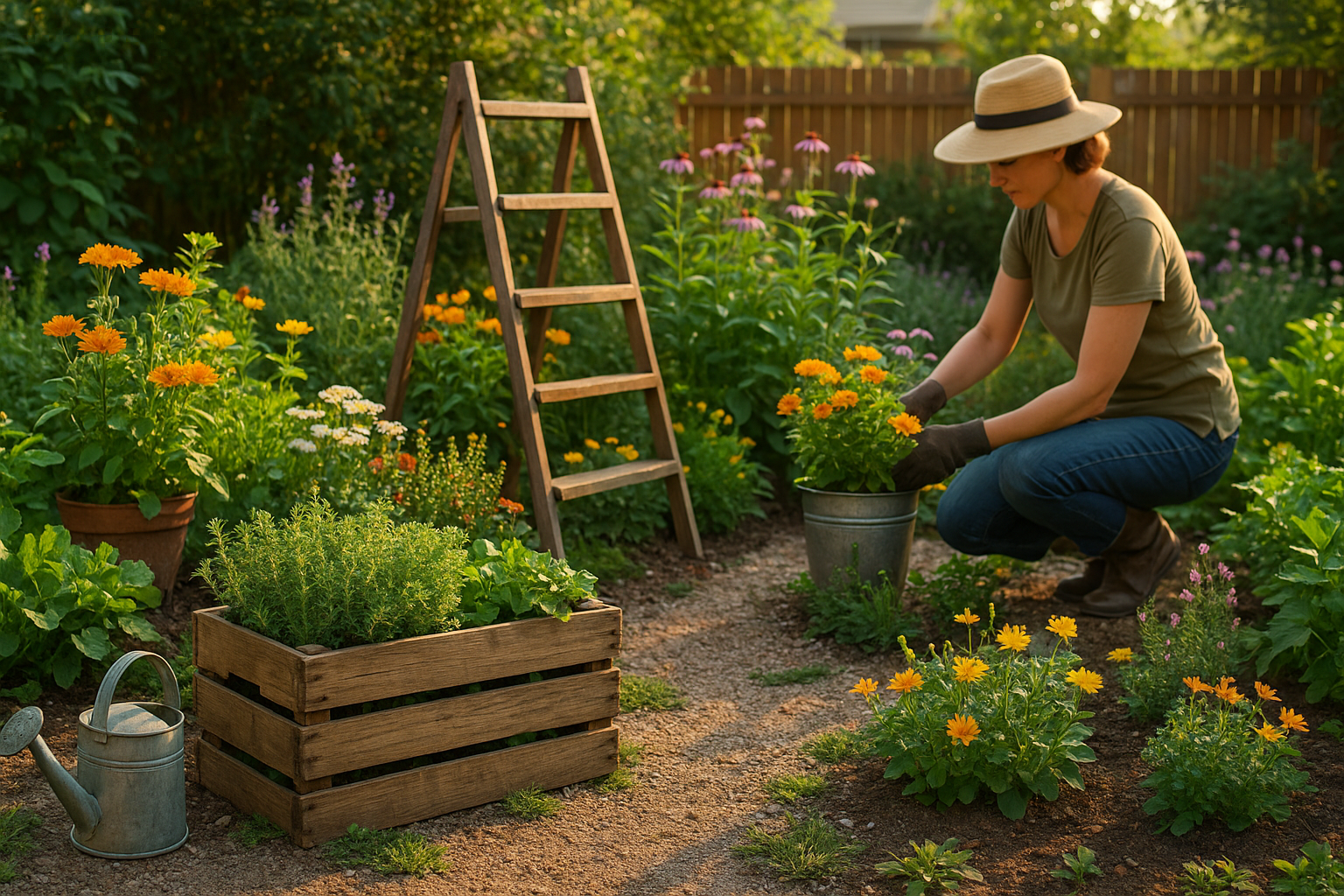
Creating a beautiful garden doesn’t have to be expensive. With a little creativity, knowledge, and planning, you can transform your outdoor space into a peaceful green oasis without spending a fortune. Whether you have a small yard or a larger area to work with, there are several smart and simple strategies you can follow to build a stunning garden that reflects your style and fits your budget.
Start with a Plan
Before you buy any tools or plants, take some time to plan your garden. Decide where you want flower beds, walking paths, or vegetable plots. Sketch out a rough layout of your yard and take note of sunny and shady areas. Planning helps you avoid wasting money on unnecessary items and ensures you purchase the right plants for the right locations.
When working with a tight budget, prioritize areas of the garden that will have the most visual impact. Focus on the front yard or the area near your patio or porch. These high-visibility spaces can set the tone for your entire garden.
Choose Low-Maintenance Plants
One of the best ways to save money in the long run is to choose low-maintenance, drought-tolerant plants. Native plants are a great option because they are adapted to your local climate and require less water and care. Perennials are another smart choice; they come back year after year, eliminating the need to replant every season.
Look for hardy plants like lavender, rosemary, succulents, marigolds, and hostas. These species often thrive with minimal care and still provide beautiful color and texture to your garden.
Use Seeds Instead of Mature Plants
Buying mature plants can be expensive. Instead, start your garden from seeds. Seed packets are significantly cheaper and offer a much larger variety. Starting from seed takes a bit more time and patience, but it can be very rewarding and cost-effective.
If you’re growing flowers or vegetables, research the best time of year to sow seeds outdoors in your region. You can also start them indoors in small containers and move them outside when they’re strong enough.
Reuse and Repurpose Materials
You don’t have to buy brand-new garden materials. Old containers, wooden pallets, and even broken furniture can be repurposed into creative and charming garden elements. For example:
- Turn an old ladder into a vertical planter
- Use tin cans as flower pots
- Repurpose a wooden crate as a mini herb garden
Visit local flea markets, garage sales, or online marketplaces to find inexpensive gardening supplies. You might be surprised at the treasures you can find for a fraction of the cost.
Make Your Own Compost
Compost is one of the best things you can use to feed your garden, and you don’t need to buy it. Create your own compost pile using kitchen scraps like vegetable peels, eggshells, coffee grounds, and yard waste such as leaves and grass clippings.
Over time, these materials break down into rich, fertile compost that you can use to nourish your soil and help your plants thrive. It’s eco-friendly, saves you money, and reduces your household waste.
Mulch Smartly
Mulch is essential for retaining moisture, controlling weeds, and improving soil quality. While store-bought mulch can be pricey, there are budget-friendly alternatives. Use shredded newspaper, dried leaves, or grass clippings as mulch.
You can also ask local tree removal companies if they have wood chips to give away. Many are happy to share their excess for free or at a low cost.
Install DIY Garden Features
You don’t need to hire professionals to make your garden look impressive. Many garden features can be created yourself with a little time and effort. Some ideas include:
- Building a simple stone path using salvaged bricks or stones
- Creating a raised garden bed with recycled wood
- Installing a small water feature using a bucket and a solar-powered fountain pump
DIY features not only save money but also give your garden a personal and unique touch.
Join Local Gardening Groups
Community gardening groups or online forums can be a great source of free knowledge and resources. Members often exchange seeds, plants, or tools. It’s also a great way to learn from more experienced gardeners who can offer advice specific to your local conditions.
Some cities even host plant swap events where you can bring your extra plants and trade them for new varieties.
Water Efficiently
Efficient watering is essential for saving money. Water your plants early in the morning or late in the afternoon to reduce evaporation. Use a watering can instead of a hose to control how much water each plant receives.
Collect rainwater using barrels or containers placed under gutters. Rainwater is free and often better for plants than tap water, which can contain chemicals.
Focus on Long-Term Value
A budget-friendly garden is about making smart investments. Spend more on tools that will last, and don’t rush to buy everything at once. Build your garden over time, adding plants and features little by little.
Gardening is a process. It takes patience, but with time and care, your garden will flourish—and your wallet will thank you.
A Garden That Grows with You
A beautiful garden doesn’t require a big budget. With creativity, recycling, and a focus on long-term value, you can create an outdoor space that’s not only affordable but also relaxing and full of life. Start small, stay consistent, and enjoy the process. Your garden will evolve and improve with every season.