
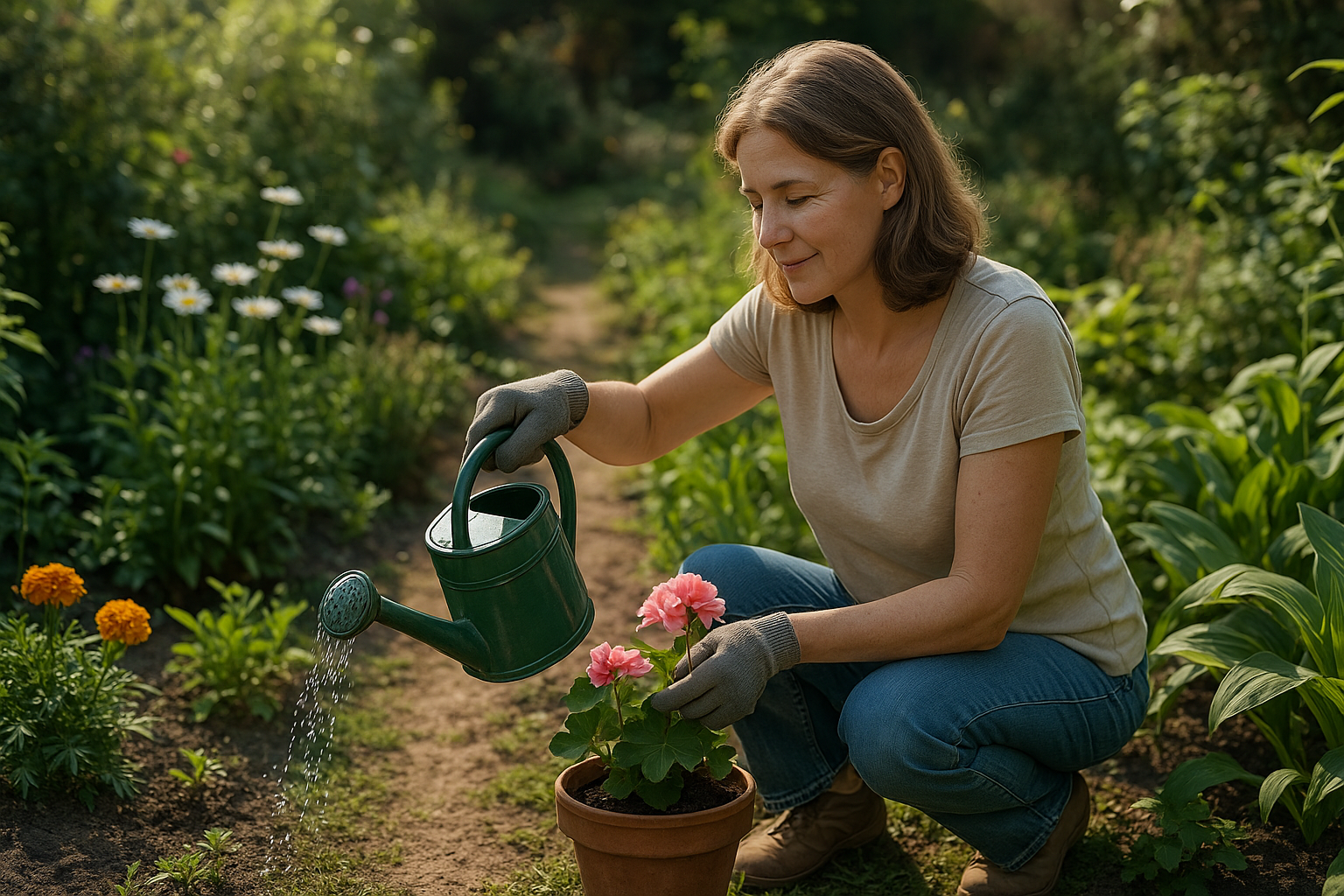
Gardening at home can be one of the most rewarding and relaxing activities, but it also requires dedication, knowledge, and patience. Whether you’re a beginner or someone with a little experience, maintaining a healthy and beautiful garden comes down to a few essential habits. In this article, you’ll find practical tips to help your plants thrive and keep your garden in great shape throughout the seasons.
Know Your Plants
The first step in successful gardening is understanding what you’re growing. Different plants have different needs in terms of sunlight, soil type, water, and climate. Take time to research the specific requirements of each plant in your garden.
For example, some plants love full sun while others prefer partial shade. Some need consistently moist soil, while others do better in drier conditions. Knowing these details helps you place and care for each plant properly, avoiding common problems like overwatering or sunburn.
Water the Right Way
Watering might seem straightforward, but many people either water too much or not enough. A good rule of thumb is to water deeply and less frequently. This encourages plants to develop strong root systems that grow deeper into the soil.
The best times to water your garden are early in the morning or late in the afternoon. This reduces evaporation and allows the water to soak deeply into the ground. Use a watering can or drip irrigation system to target the base of the plants instead of watering the leaves, which can lead to disease.
Watch for signs that your plants are getting the right amount of water. Wilting, yellowing leaves, or dry soil can be signs of under-watering, while mold or soggy soil may mean you’re overdoing it.
Improve Your Soil
Healthy soil is the foundation of any successful garden. Good soil is rich in nutrients, drains well, and allows roots to grow easily. One of the best ways to improve your soil is to add organic matter such as compost, aged manure, or leaf mulch.
If you’re not sure about the condition of your soil, consider doing a simple soil test. This will tell you the pH level and nutrient content, helping you decide what amendments to make.
You can also rotate crops in vegetable gardens to prevent nutrient depletion and avoid planting the same kind of plant in the same spot every season.
Keep Weeds Under Control
Weeds compete with your plants for nutrients, water, and sunlight. If left unchecked, they can quickly take over your garden. The best strategy is to remove weeds as soon as they appear.
Pulling weeds by hand is effective, especially when the soil is moist. You can also use mulch to prevent weed growth. A thick layer of mulch around your plants will block sunlight from reaching weed seeds, preventing them from sprouting.
Avoid using chemical herbicides in home gardens, especially if you’re growing food. Natural weed control methods are safer for the environment, your plants, and your health.
Prune with Purpose
Pruning is more than just cutting off dead leaves—it helps plants grow better and look healthier. Regular pruning removes dead or diseased branches, encourages new growth, and improves air circulation around the plant.
Use sharp, clean pruning shears and make your cuts at an angle just above a node or leaf. For flowering plants, pruning spent blooms (also known as deadheading) encourages more flowers to grow.
Each type of plant has its own pruning needs, so check the best time and method for pruning each variety in your garden.
Feed Your Plants Wisely
Just like people, plants need food to grow strong. Fertilizers provide essential nutrients like nitrogen, phosphorus, and potassium. However, using too much fertilizer can do more harm than good.
Use slow-release fertilizers or organic options like compost tea or fish emulsion. Always follow the instructions and avoid applying fertilizer on very hot days or when the soil is dry.
If your plants look weak, have pale leaves, or grow slowly, they might be lacking nutrients. Regular feeding during the growing season can help them bounce back.
Protect Your Plants from Pests
Insects and pests are a natural part of gardening, but they can cause significant damage if not managed. Instead of relying on harsh chemicals, try natural pest control methods first.
Introduce beneficial insects like ladybugs or lacewings, which feed on harmful pests. Use barriers such as garden netting or row covers to protect sensitive plants. You can also make homemade sprays using garlic, neem oil, or soapy water.
Keep an eye out for signs of trouble—holes in leaves, sticky residue, or discolored spots may signal a pest problem.
Practice Regular Maintenance
A beautiful garden requires regular attention. Set aside a little time each day or week to walk through your garden and check on your plants. Look for signs of disease, pest activity, or environmental stress.
Pull weeds, remove dead leaves, water as needed, and tidy up the space. The more consistently you maintain your garden, the easier it will be to keep everything healthy and thriving.
Keeping a garden journal can also be helpful. Record planting dates, weather conditions, problems, and solutions. Over time, this information becomes a valuable tool for learning and improving your gardening skills.
Enjoy the Process
Gardening is not just about results—it’s about the process. Taking care of plants teaches patience, observation, and appreciation for nature. Every garden has its ups and downs, and not every plant will survive, but each experience brings new knowledge.
Celebrate small victories, like your first flower bloom or a ripe tomato. Take photos to track progress and share your garden with friends and family. Gardening can be a relaxing hobby, a form of exercise, and even a way to improve your mental health.
Growing Success, One Plant at a Time
Caring for plants in your home garden is a journey of learning and growth. With a bit of planning, observation, and care, your garden will flourish—and so will your gardening skills. Keep it simple, stay consistent, and let your love for nature guide you. A healthy garden is one of the best rewards you can give yourself and your home.