
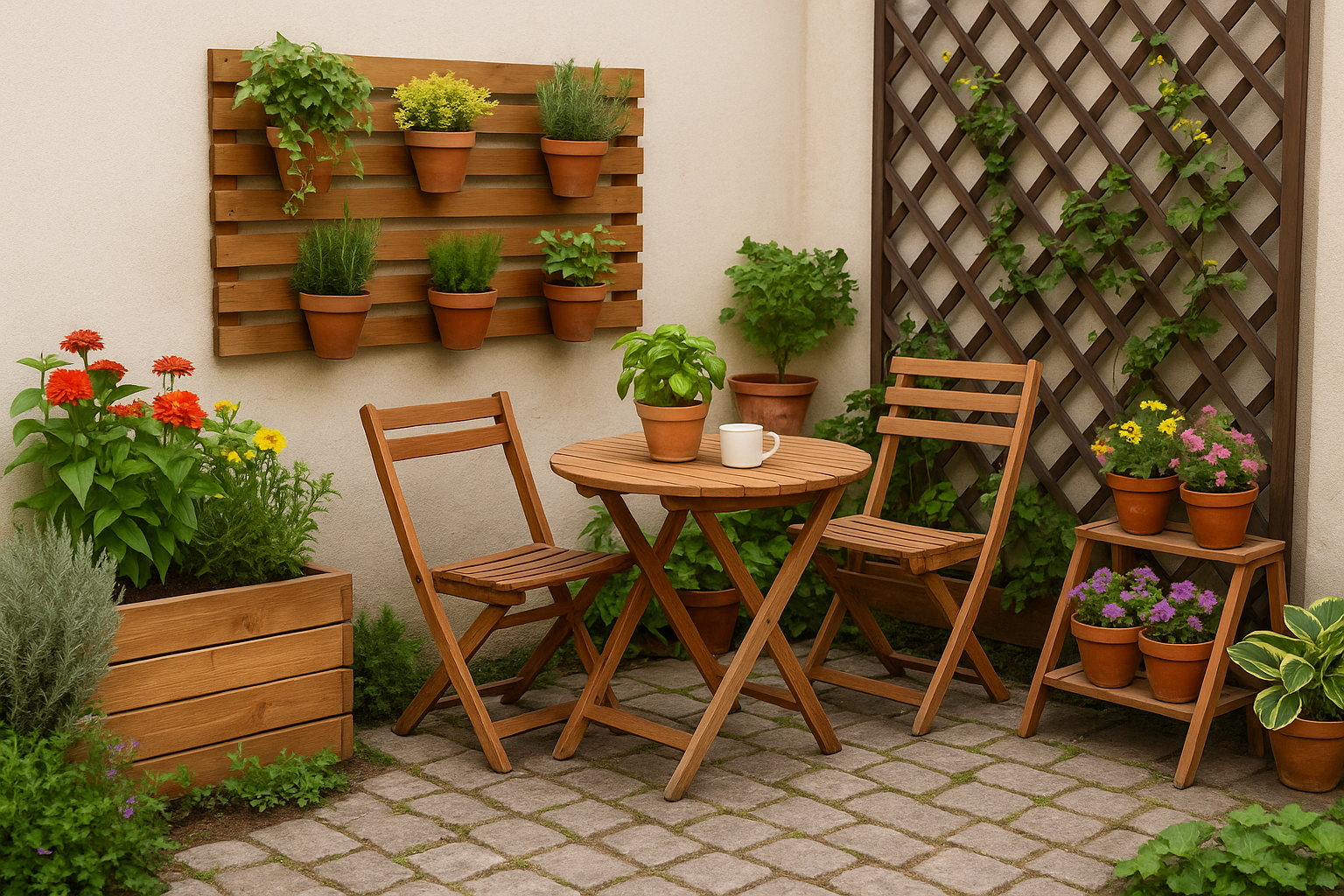
Having a small garden doesn’t mean you have to settle for a limited or boring space. In fact, small gardens offer unique opportunities for creativity, intimacy, and low-maintenance beauty. Whether you live in an apartment, a townhouse, or a home with a compact backyard, there are plenty of clever ways to maximize your green space. This article explores practical and creative ideas to help you design and enjoy a flourishing small garden.
Start with a Clear Vision
Before you begin planting or decorating, define your garden’s purpose. Do you want a relaxing retreat, a space to grow vegetables, or an area for entertaining guests? Knowing your main goal will help you decide which elements to prioritize and how to use your space efficiently.
Sketch a rough layout of your garden area, identifying where sunlight hits and where shade settles during the day. This will guide your choices for plant placement, furniture, and decorative features.
Use Vertical Space
When you can’t go wide, go high. Vertical gardening is one of the best ways to maximize small spaces. Use walls, fences, and trellises to grow climbing plants like ivy, jasmine, or beans. You can also hang planters or use stacked plant shelves.
Some great vertical gardening ideas include:
- Wall-mounted planter boxes
- Tiered plant stands
- Hanging baskets from pergolas or ceilings
- Pocket planters made of fabric or canvas
This technique adds depth and greenery without taking up valuable ground space.
Choose Multi-Function Furniture
Incorporate furniture that doubles as storage or planting space. For example, a bench with built-in planters on the sides, or a table with shelves underneath for pots and tools. Look for foldable chairs and compact tables that can be easily stored when not in use.
If your space is really tight, consider using a vertical bar cart as a mobile planting station. It can hold small herbs, gardening tools, and even beverages for when you’re entertaining outdoors.
Opt for Compact and Dwarf Plants
Not all plants grow large. Many species have compact or dwarf varieties ideal for small gardens. Choose plants that grow upright or stay small, such as:
- Dwarf lavender
- Patio roses
- Compact hydrangeas
- Boxwoods
- Succulents and cacti
Herbs like basil, thyme, chives, and parsley also thrive in containers and take up very little space.
Container gardening lets you control soil quality, move plants around as needed, and avoid overcrowding.
Play with Layers and Texture
Creating visual depth in a small garden can make it feel larger. Combine different textures, colors, and heights to draw the eye and create dimension. For example:
- Place taller plants at the back or in corners
- Use cascading plants like ivy or sweet potato vine on edges or shelves
- Add contrast with variegated leaves or colorful foliage
Don’t be afraid to mix flowers, herbs, and small shrubs for a dynamic and personalized look.
Install a Vertical Herb Garden
If you love cooking, a vertical herb garden is both beautiful and functional. Mount small pots on a wooden pallet or hang them along a fence. Label each pot with the herb’s name for charm and convenience.
Not only will you have fresh herbs at your fingertips, but the aroma of mint, basil, and rosemary will enhance the ambiance of your garden.
Use Reflective Surfaces
Mirrors and other reflective surfaces can make a small garden feel bigger. Place a mirror on a wall or fence to reflect light and greenery. It creates the illusion of extra space and adds a magical effect to the area.
Be careful to position mirrors in a way that won’t concentrate sunlight too strongly on your plants, as this could cause heat damage.
Create Zones in Your Space
Even a small garden can be divided into functional zones. For example, you might create a small seating nook with a chair and side table in one corner, a vertical garden on the opposite wall, and a container vegetable bed along one edge.
Dividing the space gives it structure and helps you feel like you’re moving through different areas, even in a compact setting.
Choose a Cohesive Color Scheme
Keeping your garden’s color palette consistent makes the space feel organized and more spacious. Choose two or three main colors and repeat them in your flowers, pots, furniture, and accessories.
Neutral tones for large items (like furniture) combined with pops of color from flowers and pillows can make the garden feel stylish without overwhelming it.
Add Personal Touches
Small gardens are perfect for personal expression. Add decorations that reflect your personality—wind chimes, fairy lights, painted pots, or handmade signs. These small touches create a cozy, inviting environment where you’ll love spending time.
You could even hang artwork or decorative tiles on outdoor walls to enhance the visual interest of your garden.
Lighting Makes a Difference
Proper lighting transforms your garden into a magical retreat in the evenings. Use string lights, solar lanterns, or LED candles to create a warm and welcoming atmosphere. Light up paths, seating areas, and vertical gardens to make your space usable after sunset.
In a small garden, even a single well-placed lantern can create a beautiful ambiance.
Embrace Simplicity
Sometimes less is more. Instead of cramming every inch with plants and furniture, leave a bit of open space for breathing room. This makes the garden feel more spacious and relaxing.
Focus on quality over quantity—choose a few favorite plants and elements that bring you joy, rather than trying to include everything.
Small Gardens, Big Potential
With thoughtful planning and a touch of creativity, a small garden can be just as impressive and enjoyable as a large one. Embrace vertical space, use multifunctional features, and choose the right plants to transform your compact outdoor area into a sanctuary. Your garden doesn’t need to be big to have a big impact.