
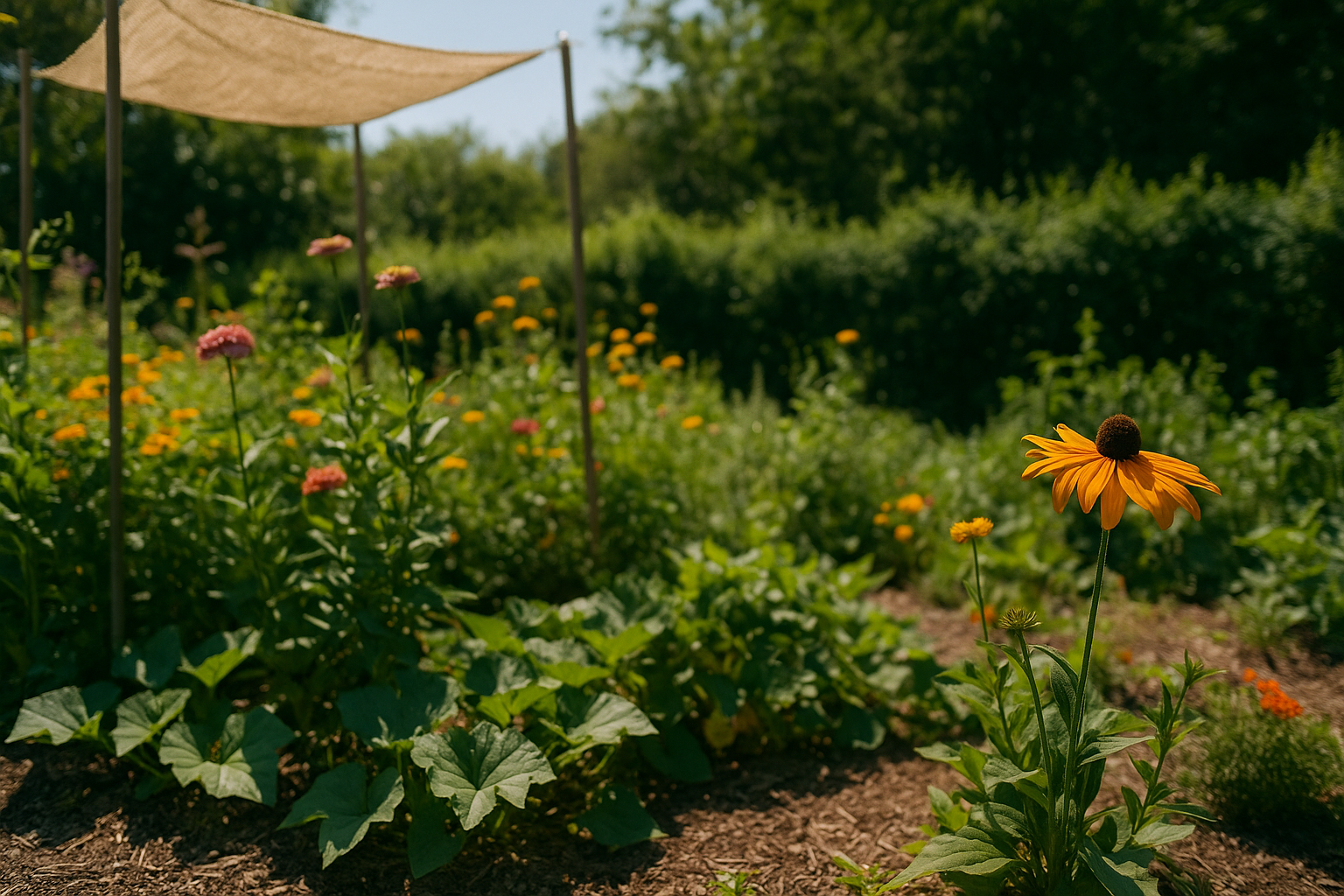
Summer brings longer days, warmer temperatures, and plenty of sunshine—conditions that are generally great for plant growth. However, intense heat and strong sunlight can also lead to stress, dehydration, and wilting. Wilting is often a sign that your plants are struggling to cope with the harsh environment. If not addressed in time, it can cause irreversible damage. This article will walk you through effective ways to prevent your garden plants from wilting during the hot summer months.
Understand Why Plants Wilt
Wilting happens when plants lose more water through transpiration than they can absorb from the soil. This imbalance causes the leaves and stems to droop. While some temporary wilting during the hottest part of the day is normal, persistent drooping is a sign of trouble.
Several factors can cause or worsen wilting:
- High temperatures
- Dry soil
- Poor root health
- Overcrowding
- Direct exposure to harsh sunlight
Understanding the root cause is key to fixing the problem and preventing it in the future.
Water Early and Deeply
The most important way to fight wilting is proper watering. Water your plants early in the morning, ideally before the sun is fully up. This gives them time to absorb moisture and strengthen their structure before facing the day’s heat.
Avoid shallow watering. Water deeply so the moisture reaches the root zone. Shallow watering encourages roots to stay near the surface, making them more vulnerable to heat and drought.
Check the soil before watering—stick your finger about two inches deep. If it feels dry, it’s time to water. If it’s still damp, wait another day. Consistency is key, but overwatering can be just as harmful as under-watering.
Use Mulch to Retain Moisture
Mulch acts like a protective barrier over your soil, helping to keep it cool and moist. Organic mulches like straw, shredded leaves, bark, or grass clippings are ideal. They also break down over time and enrich the soil.
Apply a 2–3 inch layer of mulch around the base of your plants, but avoid placing it directly against stems or trunks, which can cause rot.
Mulch also helps reduce weed competition, which means more water and nutrients for your plants.
Provide Shade During Peak Sun Hours
If your plants are receiving too much direct sunlight, consider giving them some shade during the hottest part of the day, typically between 11 a.m. and 3 p.m. This is especially important for young or newly transplanted plants, which are more vulnerable to heat stress.
You can use temporary shade cloths, garden umbrellas, old sheets, or even pieces of cardboard to create a protective screen. For container plants, simply move them to a spot with dappled or partial shade.
Even sun-loving plants may benefit from a bit of relief during extreme heat waves.
Choose Heat-Tolerant Plants
Some plants are naturally better equipped to handle summer conditions. If wilting is a recurring issue, consider incorporating more drought- and heat-tolerant species into your garden.
Examples of heat-tolerant plants include:
- Lavender
- Zinnias
- Marigolds
- Coneflowers
- Sedum
- Portulaca
These varieties require less water and can bounce back more easily from heat stress, making your summer garden more resilient.
Improve Soil Structure
Good soil structure helps retain water while allowing excess to drain, keeping plant roots hydrated without becoming waterlogged. If your soil is too sandy, water may run off quickly. If it’s clay-heavy, it may hold water but lack air circulation.
Improve your soil by mixing in compost, coconut coir, or aged manure. These materials help hold moisture and create an environment where roots can grow deeply and access water more efficiently.
Healthy soil also promotes stronger plants that can better withstand summer stress.
Don’t Fertilize in Extreme Heat
While fertilizing helps plants grow, doing it during a heatwave can worsen wilting. Fertilizer promotes new growth, which increases water demand. In hot weather, this can overwhelm the plant.
Instead, focus on maintaining consistent moisture and shade. If you must fertilize, choose a slow-release organic option and apply it during cooler days, ideally in the early morning or evening.
Always water well after fertilizing to prevent root burn.
Prune Carefully
Pruning during summer can help reduce stress by directing the plant’s energy to fewer branches and leaves. Remove any damaged, yellowing, or sun-scorched foliage. This also improves airflow and allows the plant to cool down more easily.
However, avoid heavy pruning, especially during heatwaves. Removing too much foliage at once can increase sun exposure on remaining parts of the plant and lead to more wilting.
Watch for Signs of Stress
Stay observant. Your plants will show signs when something is wrong:
- Drooping leaves during the morning or evening
- Crispy or brown leaf edges
- Stunted growth
- Leaf drop
If you notice these symptoms, take quick action—adjust watering habits, add shade, or check for pests or diseases that may be contributing to stress.
Group Plants with Similar Needs
Planting heat-loving varieties together and water-dependent plants in separate sections makes it easier to manage care. This method, known as “hydrozoning,” allows you to tailor irrigation and shade efforts more effectively.
For example, succulents and cacti should be grouped away from vegetables like lettuce or tomatoes that need frequent watering.
Your Garden Can Thrive in Summer
While summer can be tough on plants, a little preparation and care go a long way. Watering deeply and at the right time, using mulch, offering shade, and choosing heat-tolerant plants are all practical ways to prevent wilting.
Think of summer not as a challenge, but as an opportunity to fine-tune your gardening skills. With attention and consistency, your garden can not only survive the heat—it can thrive.