
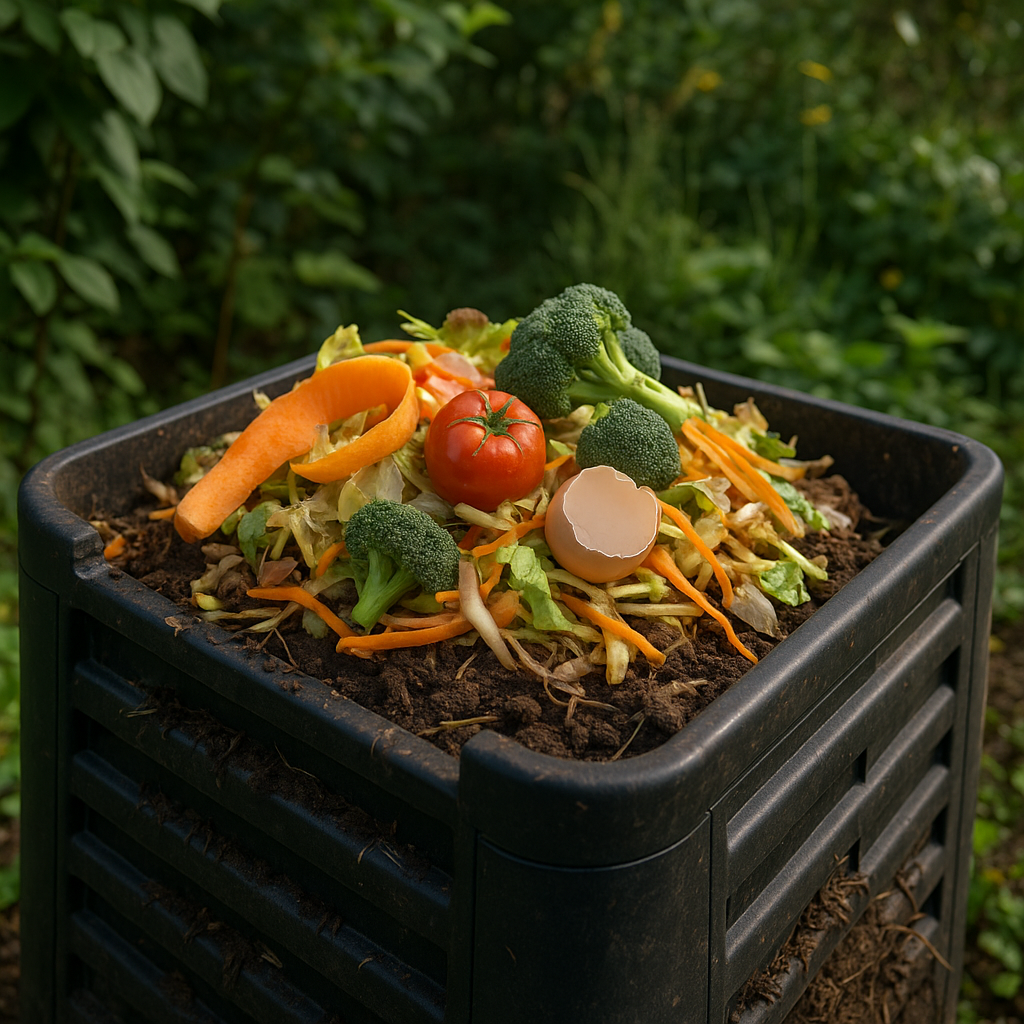
Healthy soil is the foundation of a thriving garden, and compost is one of the best ways to improve it naturally. Composting turns everyday organic waste into rich, dark, nutrient-filled material that feeds your plants and helps them grow stronger. The best part? You can make compost right at home with minimal cost and effort. In this guide, you’ll learn exactly how to start composting and use it to enrich your garden soil.
What Is Compost?
Compost is a mix of decomposed organic materials like kitchen scraps, leaves, and garden clippings. It’s often referred to as “black gold” by gardeners because of its ability to boost soil fertility, improve structure, and support healthy plant growth.
Compost improves the soil in multiple ways:
- Adds essential nutrients
- Improves drainage and moisture retention
- Encourages beneficial microbes and worms
- Reduces the need for chemical fertilizers
Benefits of Composting at Home
Composting at home offers several advantages:
- Reduces household waste by up to 30%
- Saves money on soil conditioners and fertilizers
- Decreases methane emissions from landfills
- Produces healthier, more vibrant plants
It’s also a great way to contribute to a more sustainable lifestyle and connect with the natural cycles of your garden.
What You Can Compost
A successful compost pile needs a balanced mix of green and brown materials.
Greens (Nitrogen-rich materials):
- Fruit and vegetable scraps
- Coffee grounds and filters
- Tea bags (no staples)
- Grass clippings
- Plant trimmings
Browns (Carbon-rich materials):
- Dry leaves
- Cardboard (shredded)
- Paper towels and napkins
- Newspaper (non-glossy)
- Wood chips and sawdust (untreated)
Aim for a 2:1 ratio of browns to greens. Too many greens can make the pile wet and smelly, while too many browns can slow down decomposition.
What You Should Not Compost
Some materials can attract pests, carry disease, or take too long to break down. Avoid adding these to your compost pile:
- Meat, bones, or dairy
- Greasy or oily foods
- Pet waste
- Synthetic materials (plastic, metal, glass)
- Glossy or colored paper
- Treated wood or sawdust from treated wood
Stick to plant-based and organic materials for a safe and healthy compost pile.
Choosing a Composting Method
There are several ways to compost at home, depending on your space and lifestyle:
1. Outdoor Compost Bin or Pile
This is the most common method and works well if you have a yard. Use a bin or create a simple pile in a shaded area with good drainage.
2. Tumbler Compost Bin
A tumbler is a rotating bin that speeds up decomposition by improving airflow. It’s great for smaller spaces and easy to use.
3. Vermicomposting
This method uses worms (usually red wigglers) to break down food scraps in a special bin. It’s ideal for apartments or indoor use and produces extremely rich compost.
4. Trench Composting
In this method, you bury food scraps directly in your garden bed. Over time, the material decomposes and nourishes the surrounding soil.
How to Start Your Compost Pile
- Choose a location: Select a dry, shady spot with good drainage.
- Add layers: Start with a layer of browns (dry leaves, shredded paper), followed by greens (vegetable scraps, grass clippings).
- Moisten the pile: Your compost should feel like a wrung-out sponge—not too dry, not too wet.
- Turn regularly: Use a garden fork or shovel to mix the pile every 1–2 weeks. This adds oxygen and helps speed up decomposition.
- Monitor: Check the balance of greens and browns. If the pile smells bad, add more browns and turn it more often.
How Long Does Compost Take to Be Ready?
Depending on the method, materials used, and how often you turn the pile, compost can take anywhere from 2 to 6 months to be ready. You’ll know it’s done when:
- The material is dark and crumbly
- It smells earthy and fresh
- No recognizable food or yard waste is visible
You don’t need to sift or sterilize it—your plants will love it just the way it is.
How to Use Compost in Your Garden
Once your compost is ready, there are many ways to use it in the garden:
1. Top Dressing
Spread a 1–2 inch layer of compost around your plants, shrubs, or trees. It acts as a mulch, helps retain moisture, and slowly releases nutrients.
2. Soil Amendment
Mix compost into garden beds or potting soil to improve texture and fertility. Aim for a ratio of 1 part compost to 2 parts soil.
3. Compost Tea
Soak compost in water for 1–2 days to create a nutrient-rich “tea.” Use it to water your plants for a quick nutrient boost.
4. Lawn Fertilizer
Sprinkle compost over your lawn to improve soil health and encourage lush growth.
Common Composting Problems and Solutions
Bad smell
- Likely too many greens or not enough air. Add browns and turn the pile.
Pile too dry
- Add more greens or a little water.
Pile not heating up
- Mix the materials, turn more often, and make sure you have enough greens to generate heat.
Pests
- Avoid meat, dairy, and oily foods. Cover food scraps with browns after each addition.
Composting Made Simple
Composting might seem intimidating at first, but it’s actually one of the simplest and most rewarding gardening habits you can adopt. It turns waste into wealth, reduces your environmental impact, and gives your garden the nutrition it craves. Start small, stay consistent, and you’ll be amazed at the transformation—in your soil, your plants, and your connection to nature.