
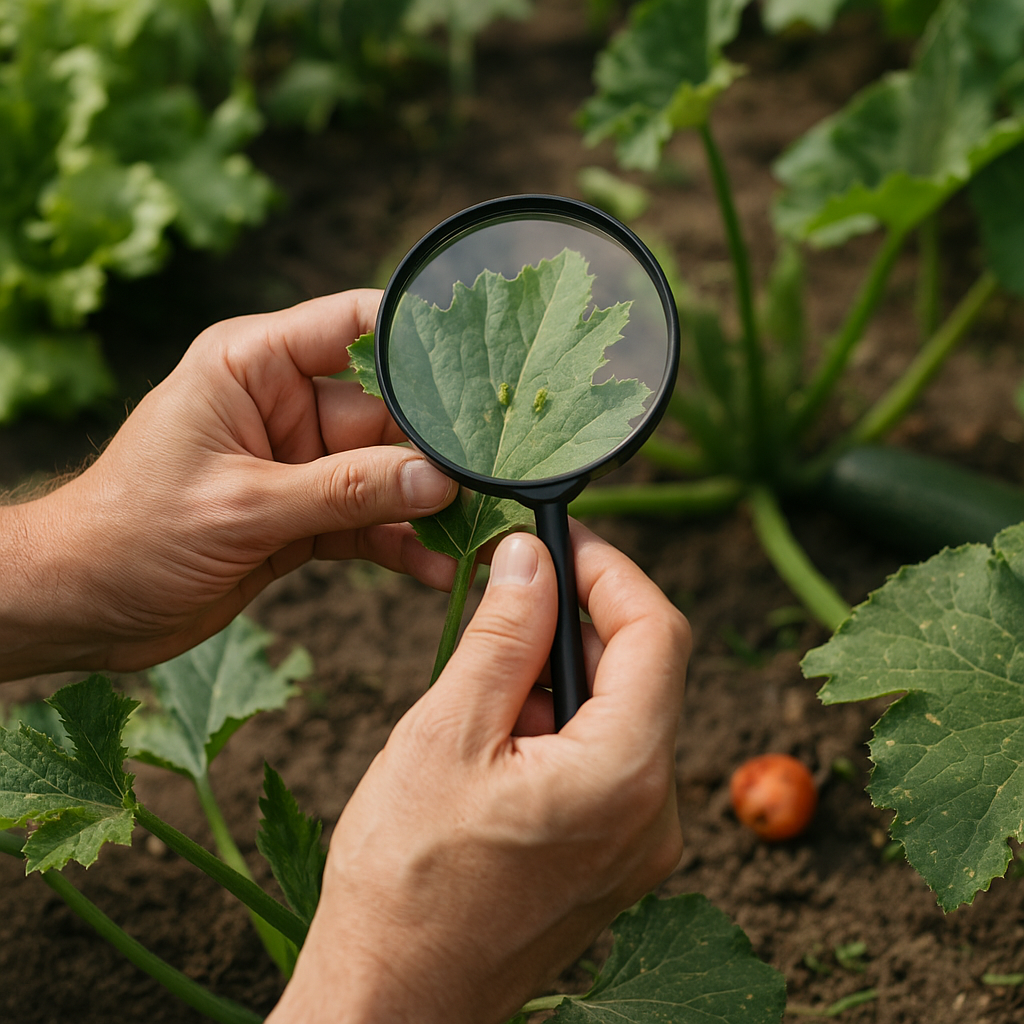
A flourishing garden can quickly become a battleground when pests arrive. Insects and other unwanted critters can damage leaves, stunt plant growth, and even kill healthy plants if left untreated. While some bugs are beneficial and essential for pollination and pest control, others can wreak havoc. Learning how to identify and control common garden pests is essential for maintaining a healthy and productive garden.
Know the Difference Between Good and Bad Bugs
Not all insects are harmful to your garden. In fact, many are your allies in the fight against destructive pests.
Beneficial insects:
- Ladybugs: Eat aphids and scale insects.
- Lacewings: Feed on mites and aphids.
- Bees: Essential for pollination.
- Ground beetles: Prey on slugs, snails, and larvae.
- Spiders: Catch a wide variety of flying insects.
Harmful pests:
- Aphids
- Whiteflies
- Slugs and snails
- Spider mites
- Cabbage worms
- Cutworms
- Japanese beetles
- Mealybugs
Knowing who’s who helps you avoid harming beneficial insects while targeting the ones causing damage.
Signs of Pest Problems
One of the first steps in controlling pests is early identification. Be on the lookout for these common signs of trouble:
- Holes in leaves
- Yellowing or curling leaves
- Sticky residue (honeydew) on plants
- Webbing on leaves or stems
- Droppings or slime trails
- Chewed stems or fruits
- Slow or stunted plant growth
Check your plants regularly—both top and underside of leaves—to catch infestations before they spread.
Common Garden Pests and How to Deal With Them
1. Aphids
Small, soft-bodied insects that cluster on new growth. They suck plant sap, causing leaves to curl and weaken.
Control:
- Spray plants with a mixture of water and a few drops of dish soap.
- Introduce ladybugs or lacewings.
- Use neem oil or insecticidal soap.
2. Whiteflies
Tiny, white flying insects found on the undersides of leaves. They feed on plant sap and leave a sticky substance that attracts mold.
Control:
- Use yellow sticky traps to monitor and capture them.
- Spray with neem oil or soapy water.
- Encourage beneficial insects.
3. Slugs and Snails
These pests chew large holes in leaves, especially at night or in damp conditions.
Control:
- Hand-pick in the early morning or evening.
- Place crushed eggshells or diatomaceous earth around plants.
- Use beer traps: bury a small container with beer at soil level—slugs are attracted and drown.
4. Spider Mites
Microscopic pests that leave fine webbing on plants. They suck juices from leaves, causing speckled or discolored foliage.
Control:
- Spray leaves with water to dislodge them.
- Use neem oil or insecticidal soap.
- Maintain humidity—mites prefer dry conditions.
5. Cabbage Worms
Green caterpillars that feed on cabbages, broccoli, and kale. They blend in with leaves and cause major leaf damage.
Control:
- Hand-pick worms.
- Use floating row covers to prevent egg laying.
- Spray with Bacillus thuringiensis (Bt), a natural bacterial insecticide.
6. Cutworms
These larvae cut young plants at the base during the night.
Control:
- Use collars made from cardboard or plastic around plant stems.
- Till soil before planting to expose larvae.
- Remove garden debris where they hide.
7. Japanese Beetles
Metallic green beetles that skeletonize leaves and damage flowers and fruits.
Control:
- Hand-pick in early morning when they’re sluggish.
- Use pheromone traps placed away from your garden.
- Apply neem oil to deter feeding.
Natural Pest Control Methods
Chemical pesticides can harm the environment, beneficial insects, and your health. Instead, consider natural pest control strategies that are safer and more sustainable.
Companion Planting
Planting certain species together can repel pests. Examples:
- Marigolds deter nematodes and aphids.
- Basil repels flies and mosquitoes.
- Garlic and chives deter Japanese beetles.
Neem Oil
Derived from the neem tree, neem oil disrupts insect life cycles. It’s effective against a wide range of pests and safe for most plants.
Insecticidal Soaps
Made from natural fats, these soaps kill soft-bodied pests like aphids and mites without harming beneficial insects when used correctly.
Row Covers
Lightweight fabric can be placed over crops to physically block pests while still letting light and water through.
Diatomaceous Earth
A fine powder made from fossilized algae, it damages the exoskeleton of crawling insects like ants, slugs, and beetles, causing them to dehydrate.
Build a Healthy Garden Ecosystem
The best pest control is prevention. A healthy, balanced garden naturally resists pests and recovers from minor infestations.
Here’s how:
- Rotate crops each season to reduce pest buildup.
- Keep soil healthy with compost and organic matter.
- Avoid over-fertilizing, which can lead to lush, pest-attracting growth.
- Remove plant debris and weeds where pests can hide.
- Attract birds, frogs, and beneficial insects with habitat-friendly features like water, flowers, and shelter.
When to Use Chemical Pesticides
Use chemical solutions only as a last resort and choose products labeled for garden use. Follow all instructions carefully and avoid spraying during the hottest part of the day or when pollinators are active.
Spot-treat affected plants and avoid widespread spraying that can harm beneficial organisms and disrupt your garden’s balance.
A Watchful Eye Brings Garden Peace
Pest control doesn’t mean eliminating every bug—it means managing the garden so plants can thrive with minimal harm. By staying observant, encouraging helpful insects, and using natural methods first, you’ll build a garden that supports itself and rewards you season after season. Keep your eyes open, act early, and let nature be your ally in keeping pests under control.