
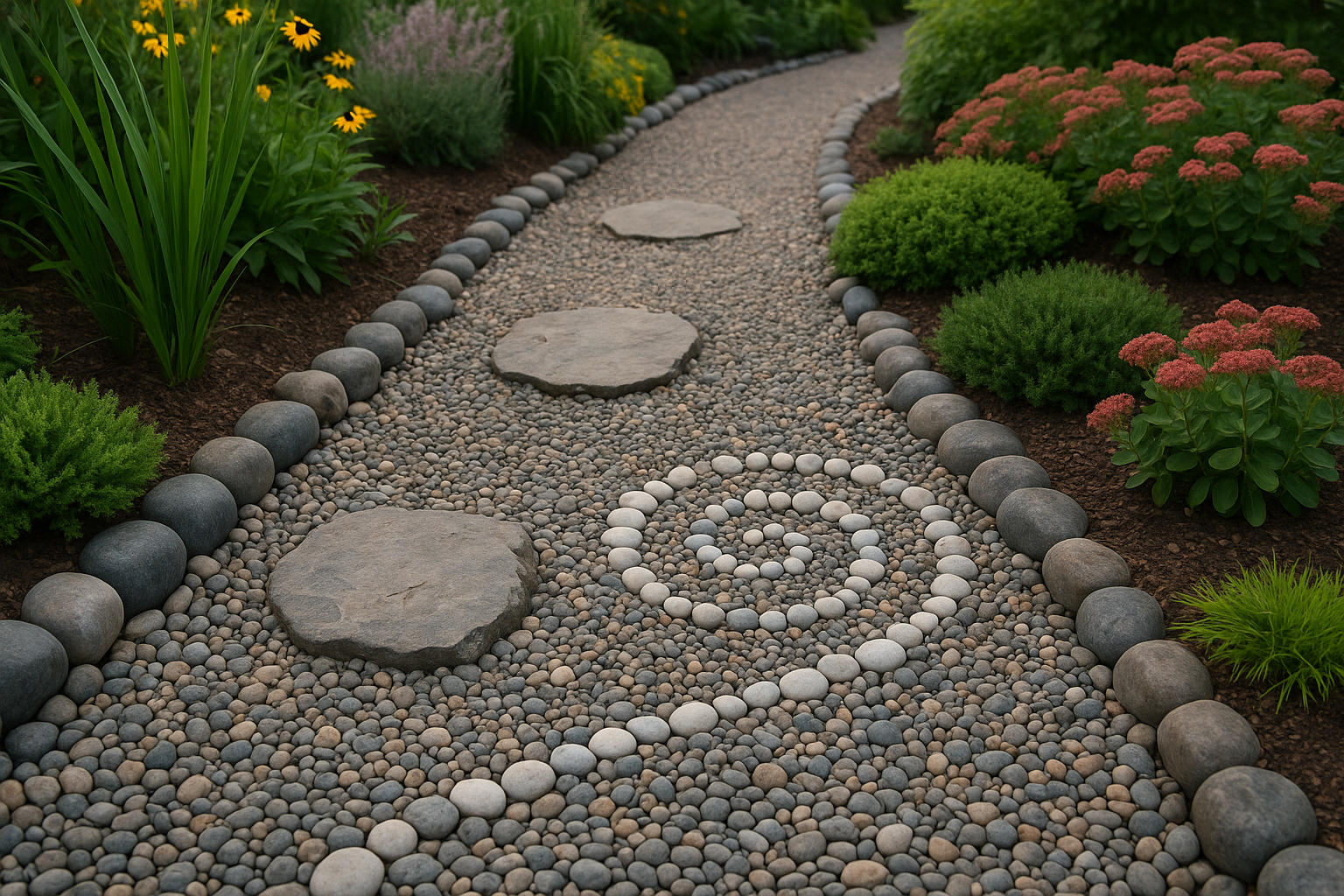
Stones and pebbles are more than just decorative elements—they’re versatile, durable, and can transform the look and function of any outdoor space. Whether you’re aiming for a natural, minimalist, rustic, or artistic vibe, there are endless ways to use these materials creatively in your garden. In this article, you’ll discover beautiful and practical ideas to incorporate stones and pebbles into your landscaping—without the need for complex installations or high costs.
Why Use Stones and Pebbles?
Before diving into specific design ideas, let’s explore why these natural materials are so popular among gardeners:
- Low maintenance: They don’t require watering, trimming, or fertilizing.
- Durable: Weather-resistant and long-lasting.
- Natural weed control: Stones act as a barrier against weeds when used as mulch or ground cover.
- Great for drainage: Especially in areas prone to erosion or heavy rainfall.
- Visually appealing: Provide texture, color contrast, and balance in any garden.
Now let’s look at some inspiring and budget-friendly ways to use them creatively.
1. Pebble Pathways
A pebble or gravel path invites you to explore the garden and adds a charming, natural look. It’s also a practical way to prevent muddy shoes during wet seasons.
Tips:
- Use stepping stones or larger flat rocks within the pebble path for stability.
- Line the path with bricks, metal edging, or plants to keep pebbles contained.
- Use landscape fabric underneath to suppress weeds.
Design ideas:
- Winding woodland paths
- Zen-style garden trails
- Modern geometric walkways
2. Rock Garden Beds
Create a low-maintenance garden bed using stones, gravel, and drought-tolerant plants like succulents, sedum, or ornamental grasses.
Benefits:
- Requires little watering
- Perfect for hot, sunny spots
- Adds visual texture and structure
Arrange rocks of various sizes, interspersed with soil pockets for planting. Add small boulders for height and interest.
3. Dry Creek Beds
A dry creek bed mimics the look of a natural stream using stones and pebbles. It helps with drainage and can direct rainwater away from areas prone to flooding.
How to do it:
- Dig a shallow trench in a natural, winding shape.
- Line with landscape fabric and cover with river stones, gravel, or crushed rock.
- Add larger rocks on the edges and accent with grasses or ferns.
Dry creek beds are functional and beautiful, blending seamlessly into your landscape.
4. Stone Borders and Edging
Define your garden beds or pathways using stones or pebbles as edging.
Ideas:
- Line a flower bed with river rocks or smooth pebbles.
- Use stacked flat stones to build a natural wall border.
- Outline a raised garden bed with medium-sized rocks.
Natural stone edging creates clean lines and gives your garden a polished look.
5. Mosaic or Pebble Art
Get creative by using different colored pebbles to create mosaics or artistic designs in pathways, patios, or around stepping stones.
Suggestions:
- Use contrasting stone colors to form patterns like spirals, suns, or mandalas.
- Outline your designs with bricks or metal to keep the layout neat.
- Fill between stepping stones with decorative pebbles for an artistic touch.
These small artistic touches add a personal and whimsical element to your garden.
6. Zen or Meditation Corner
Japanese-inspired Zen gardens often use raked gravel, stones, and simple lines to create peaceful, meditative spaces.
How to create one:
- Choose a quiet corner of the garden.
- Rake white or light-colored gravel into flowing patterns.
- Add a few larger rocks or boulders for contrast.
- Include a bench, bamboo plant, or a simple lantern.
This minimalist setup creates a space for reflection and mindfulness.
7. Mulching with Gravel
Replace traditional organic mulch with small stones or gravel to cover the soil around plants.
Pros:
- Lasts longer than wood mulch
- Doesn’t blow away easily
- Keeps soil temperature more stable
- Deters pests like slugs and snails
Gravel mulch looks especially good with succulents, lavender, rosemary, and ornamental grasses.
8. Stone Planters and Containers
Use large hollowed-out rocks or arrange smaller stones around pots to create unique garden containers.
Ideas:
- Stack stones to form a circle and fill with soil for a rustic planter
- Place pebbles in the base of pots for improved drainage
- Wrap pots with decorative gravel or mosaic designs
Stone-based containers add a natural touch and help blend potted plants into the landscape.
9. Fire Pit Surroundings
Surround a backyard fire pit with crushed stone or pebbles for a rustic and heat-resistant seating area.
Design tips:
- Use pea gravel for comfort underfoot
- Line the area with bricks, logs, or low stone walls
- Add seating with tree stumps, rocks, or outdoor furniture
It’s an affordable way to make a functional and inviting outdoor living area.
10. Decorative Accents and Features
Small touches with stones and pebbles can make a big difference in overall garden aesthetics.
Ideas:
- Create spiral or circular stone patterns as garden focal points
- Use pebbles to fill gaps between patio stones
- Place flat stones under water spouts to reduce splash
- Fill garden lanterns or jars with colored pebbles as decoration
Use your creativity to experiment with shapes, layers, and textures.
Maintenance Tips for Stone Gardens
- Weed control: Use landscape fabric or cardboard underneath stones to prevent weeds.
- Cleaning: Occasionally hose down areas with lots of dust or debris.
- Shifting stones: Rake or re-level as needed, especially in high-traffic areas.
- Safety: Avoid using loose pebbles on steep slopes or stairs to prevent slipping.
A Timeless Addition to Your Garden
Stones and pebbles bring both beauty and utility to any garden, regardless of style or size. From artistic pathways to natural borders and calming Zen spaces, these materials offer a simple way to elevate your outdoor space without high maintenance or cost. With thoughtful placement and a little creativity, you can design a landscape that’s as functional as it is beautiful—all while staying true to nature.