
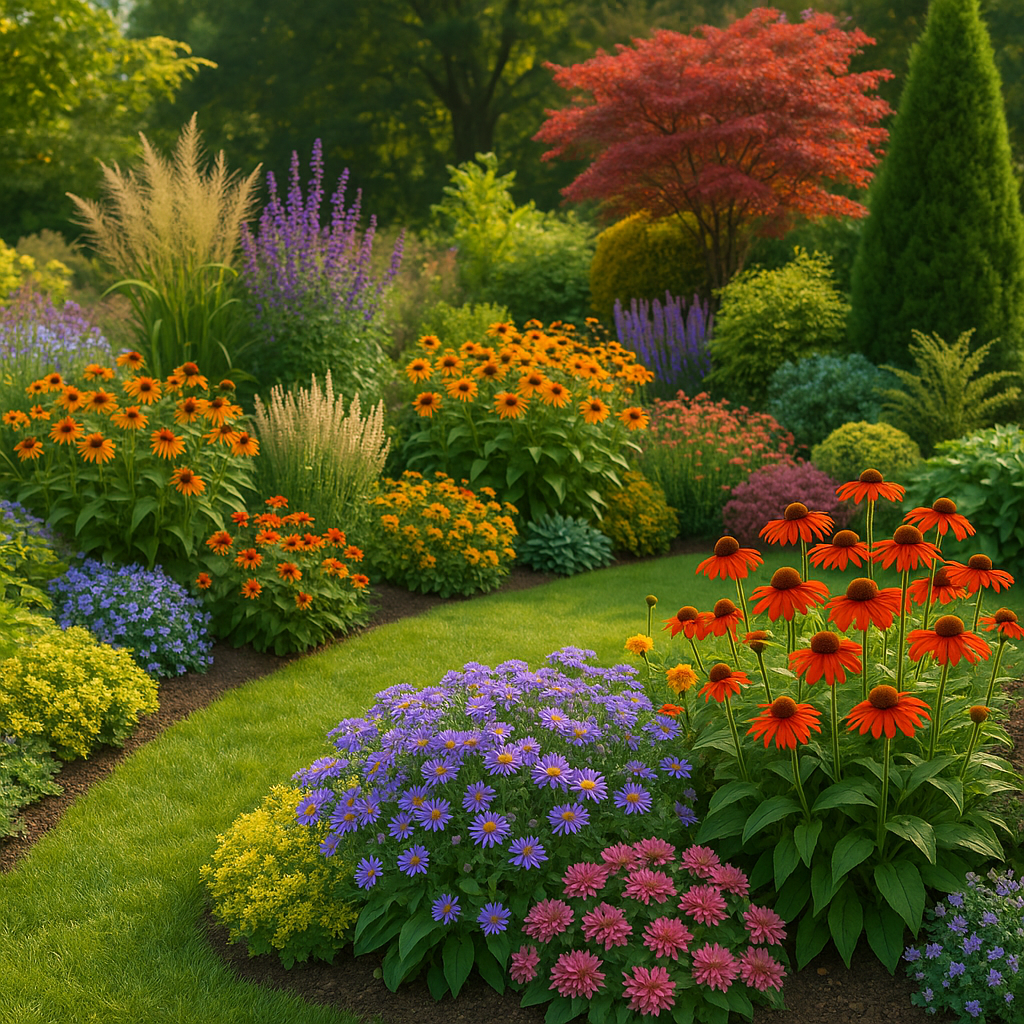
A garden that blooms all year round is not only beautiful, but also brings structure, color, and life to your outdoor space in every season. With strategic planning and thoughtful plant selection, you can create a garden that always has something interesting to offer—whether it’s bright flowers in summer, vibrant foliage in fall, or evergreen structure in winter. In this article, you’ll learn how to design a seasonal garden that never looks dull, no matter the time of year.
The Key to Year-Round Color: Succession Planting
Succession planting means choosing a sequence of plants that bloom one after another, so there’s always something in flower. You’ll also want to include plants with colorful foliage, interesting textures, and structural elements for visual appeal in the off-seasons.
To do this successfully:
- Divide your plant selection by season.
- Layer your garden with a mix of perennials, annuals, bulbs, and evergreens.
- Choose plants with overlapping bloom times to avoid gaps.
Let’s break it down by season.
Spring: Fresh Starts and Early Blooms
Spring is the season of renewal, and your garden should reflect that with fresh greenery and bright early flowers.
Key spring bloomers:
- Daffodils – Cheerful yellow flowers that naturalize easily
- Tulips – Available in nearly every color
- Hyacinths – Fragrant and bold
- Crocus – One of the first flowers to emerge from snow
- Hellebores – Bloom even in late winter
Foliage interest:
- Ferns and hostas unfurl with vibrant green textures
- Spring bulbs pair well with low-growing ground covers like creeping phlox
Tips:
- Plant bulbs in fall for spring blooms.
- Choose a mix of early, mid, and late-blooming bulbs to extend the season.
Summer: Peak Color and Pollinator Paradise
Summer brings the most color and vibrancy to the garden. This is the time for bold statements and lush growth.
Key summer bloomers:
- Coneflowers (Echinacea) – Long-lasting and pollinator-friendly
- Black-eyed Susans (Rudbeckia) – Bright yellow and low maintenance
- Zinnias – Excellent for cut flowers and non-stop color
- Lavender – Fragrant, drought-tolerant, and loved by bees
- Salvia – Attracts hummingbirds and butterflies
Foliage and texture:
- Ornamental grasses add motion and elegance
- Silver-leaved plants like artemisia or dusty miller offer cool contrast
Tips:
- Deadhead flowers to prolong blooming.
- Water regularly during dry spells and mulch to retain moisture.
Fall: Rich Colors and Structural Beauty
As the weather cools, many plants shift from flower power to colorful foliage, seed heads, and late-season blooms.
Key fall plants:
- Sedum (Autumn Joy) – Fat pink blooms that deepen in color
- Asters – Purple, pink, or white flowers loved by pollinators
- Chrysanthemums – A classic fall staple
- Japanese Anemones – Graceful white or pink blooms
- Goldenrod – Vibrant yellow and native to many areas
Foliage stunners:
- Maples and burning bush offer fiery red leaves
- Heuchera (Coral Bells) display bronze, red, and purple tones
Tips:
- Leave seed heads for birds and winter interest.
- Consider planting fall vegetables in ornamental beds (like kale and Swiss chard).
Winter: Structure, Evergreens, and Subtle Charm
Even in winter, your garden can have life. It’s all about structure, texture, and contrast.
Evergreen structure:
- Boxwood – Great for borders or topiary
- Juniper and pine – Add greenery and fragrance
- Holly – Provides berries and glossy leaves
- Ornamental grasses – Left uncut, they offer movement and golden hues
Winter interest:
- Dogwood shrubs – Red or yellow stems brighten snowy scenes
- Witch hazel – Blooms in mid-winter with unusual yellow flowers
- Hellebores – Continue blooming in mild climates
Tips:
- Use garden structures like trellises, obelisks, or sculptures to maintain visual appeal.
- Add bird feeders or baths for extra life in cold months.
How to Structure a Year-Round Garden
- Use layers: Place taller plants in the back (or center of island beds), mid-size in the middle, and ground covers or low growers in front.
- Mix plant types: Combine perennials for permanence, annuals for seasonal pops, and shrubs for structure.
- Plan for bloom succession: Use a garden planner or spreadsheet to map out bloom times.
- Repeat colors and shapes: Repetition creates harmony across seasons.
- Leave some plants uncut in fall to provide winter beauty and shelter for wildlife.
Add Color Beyond Flowers
Even when few plants are blooming, your garden can still shine through other elements:
- Foliage: Use plants with colorful or variegated leaves.
- Bark: Trees like birch or redtwig dogwood add visual interest.
- Berries: Holly, viburnum, and pyracantha feed birds and add color.
- Hardscaping: Use colorful pots, painted fences, or decorative stone to brighten dull periods.
Keep It Low-Maintenance
Creating year-round interest doesn’t have to be high-maintenance. Choose plants that:
- Are native or adapted to your region
- Require minimal pruning
- Resist pests and diseases
- Don’t need constant watering or fertilizing
With careful selection, your garden can practically take care of itself through most of the year.
A Living Tapestry in Every Season
Planning a seasonal garden is like painting with nature—each season brings new textures, colors, and moods. With the right plants and a little planning, you can enjoy a garden that evolves and delights all year long.
From early spring blooms to winter evergreens, your outdoor space can be a dynamic, living canvas that brings joy in every season.