
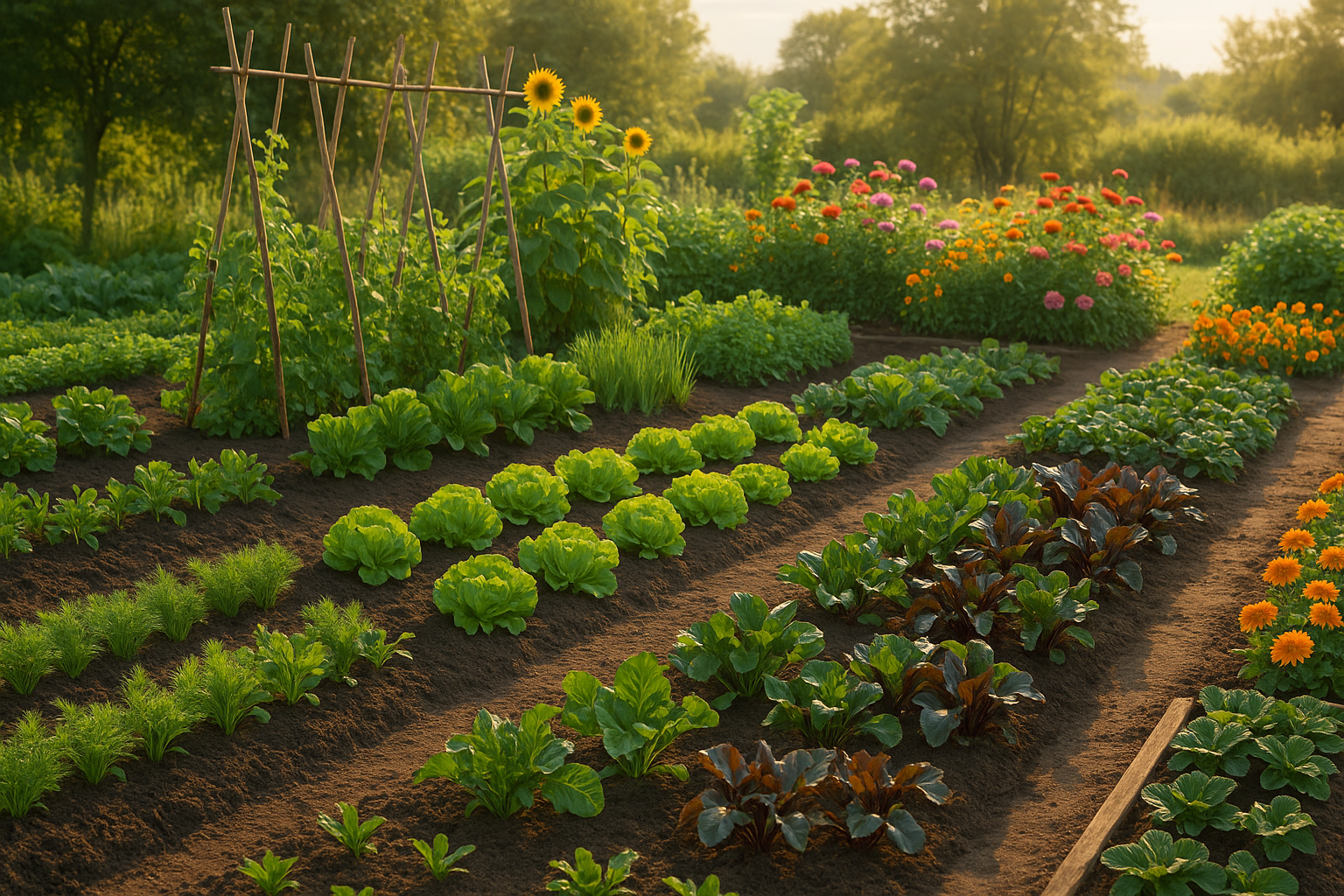
Spring is one of the most exciting times for gardeners. As the days grow longer and temperatures begin to rise, nature awakens—and so does the soil. It’s the perfect season to start planting a wide variety of flowers, vegetables, and herbs. Knowing what to plant in your garden during spring can help you get the most out of the growing season, whether you’re a beginner or an experienced gardener.
Why Spring Is Ideal for Planting
Spring offers optimal conditions for plant growth:
- The soil begins to warm up, encouraging seed germination.
- Rainfall increases, providing natural hydration.
- Sunlight hours extend, helping young plants grow faster.
It’s also the best time to prepare your garden beds, replenish nutrients in the soil, and start planning for harvests in late spring, summer, and beyond.
Understand Your Planting Zone
Before you start planting, check your USDA Plant Hardiness Zone (or the equivalent for your country). This tells you which plants will thrive in your specific region and when the last expected frost date occurs.
Knowing your zone helps you avoid planting too early when late frosts might still damage seedlings.
Vegetables to Plant in Spring
1. Lettuce
Lettuce is a fast-growing, cool-season crop. Sow seeds directly into the soil as soon as the ground is workable.
Tip: Plant in partial shade to extend the harvest and avoid bolting in warmer climates.
2. Carrots
Carrots prefer cool soil and full sun. They take a bit longer to mature but grow well when sown early in spring.
Tip: Use loose, well-drained soil for straighter, healthier carrots.
3. Radishes
These root vegetables grow quickly—some varieties are ready in as little as 25 days.
Tip: Sow every couple of weeks for a continuous harvest.
4. Spinach
Spinach thrives in cool weather and can tolerate light frost.
Tip: Keep the soil moist and harvest leaves frequently to encourage new growth.
5. Peas
Peas prefer cooler temperatures and can be sown early, even before the last frost in some areas.
Tip: Provide a trellis or support for climbing varieties.
6. Broccoli
Start broccoli seeds indoors in late winter and transplant in early spring, or buy young starts to plant directly into the garden.
Tip: Harvest before the florets start to flower.
7. Beets
Beets are another cool-weather crop and can be grown for both their roots and greens.
Tip: Thin seedlings early to allow room for root development.
8. Potatoes
Plant seed potatoes in well-drained soil 2–4 weeks before the last expected frost.
Tip: Hill soil around stems as the plants grow to encourage tuber development.
Herbs to Plant in Spring
Spring is a fantastic time to start your own herb garden. Many herbs are easy to grow and do well in both containers and garden beds.
1. Basil
Start indoors or wait until after the last frost to plant outside. Basil thrives in full sun.
2. Parsley
Sow seeds directly in the soil or transplant starts. It grows well in both sun and partial shade.
3. Cilantro
Best planted in early spring. Cilantro grows quickly but bolts in hot weather.
4. Chives
Chives are hardy and can be planted early in spring. They grow back year after year.
5. Thyme
Start from cuttings or small plants. It prefers sunny, well-drained spots.
Flowers to Plant in Spring
Spring is also the perfect season to bring color and fragrance to your garden with flowering plants.
1. Marigolds
Bright and hardy, marigolds deter pests and attract pollinators. Perfect for borders and companion planting.
2. Petunias
These vibrant flowers bloom from spring through fall. Great for containers and hanging baskets.
3. Snapdragons
Snapdragons love the cooler temperatures of early spring and bring vertical interest to flower beds.
4. Pansies
With their cheerful faces, pansies are cold-tolerant and can be planted early in spring.
5. Sunflowers
Start sunflower seeds in spring for towering blooms in summer.
6. Zinnias
Colorful and easy to grow, zinnias bloom throughout the warm season.
Tips for Spring Planting Success
Prepare the Soil
Clear weeds and debris, loosen the soil, and mix in compost or organic matter to improve fertility and drainage.
Test the Soil Temperature
Use a soil thermometer. Most seeds germinate best when soil is at least 50–65°F (10–18°C).
Start Indoors When Necessary
For longer-season crops like tomatoes or peppers, start seeds indoors and transplant after the last frost.
Use Raised Beds or Containers
These warm up faster than ground soil and provide better drainage, making them ideal for early spring planting.
Mulch Carefully
Wait until the soil has warmed up before applying mulch; otherwise, it can keep soil temperatures too low for seed germination.
Planting Schedule Example (Temperate Zone)
- Late March to Early April: Spinach, radishes, lettuce, peas
- Mid-April: Beets, carrots, chard, herbs
- Late April to Early May: Tomatoes (indoors), broccoli, potatoes, cabbage
- After Last Frost: Basil, peppers, squash, cucumbers, flowers like zinnias and sunflowers
Spring into Gardening
Spring is your garden’s fresh start—a time to sow, grow, and enjoy the beauty of nature as it comes alive again. By selecting the right plants for your region and preparing your soil with care, you’ll set the stage for a season full of color, flavor, and growth. Whether you’re growing food, flowers, or both, spring is the perfect time to dig in and let your garden dreams bloom.