
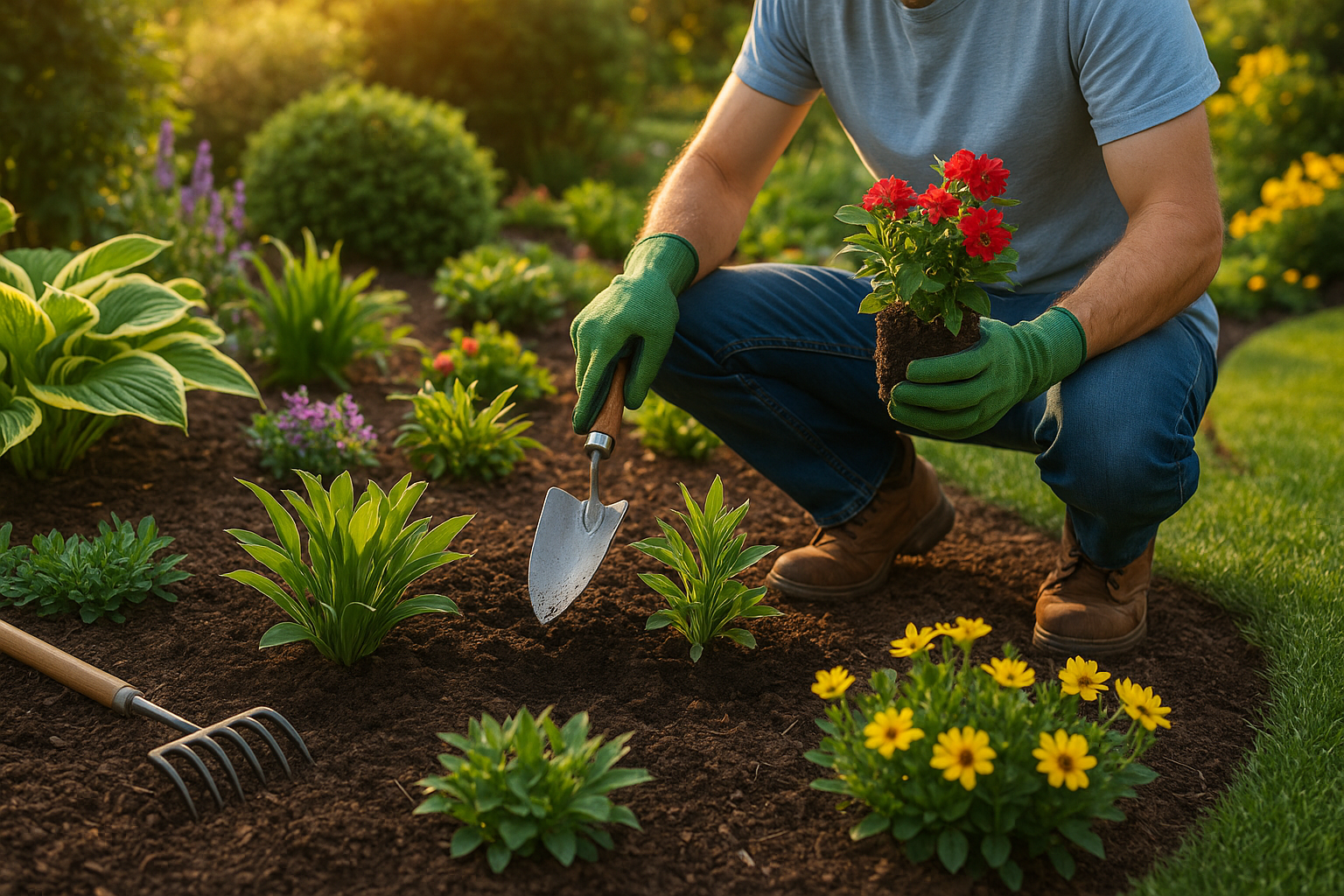
You don’t need a big budget to have a beautiful, healthy, and productive garden. With a little creativity, resourcefulness, and the right strategies, you can maintain your outdoor space without draining your wallet. In fact, many of the best gardening solutions come from low-cost or free resources already available at home or in nature. In this article, you’ll discover practical tips for keeping your garden in great shape while saving money.
Start with a Plan
One of the most budget-friendly moves you can make is to plan before planting. Spontaneous purchases often lead to wasted money and mismatched plants.
Here’s how to start smart:
- Choose plants that are well-suited to your climate and soil (less maintenance).
- Group plants with similar water and sunlight needs together.
- Focus on perennials—they return each year and reduce yearly costs.
- Sketch a simple garden layout before spending on materials or plants.
A little planning prevents costly mistakes down the line.
Grow from Seeds
Buying mature plants at the garden center can be expensive. Starting from seeds is one of the most affordable ways to grow flowers, herbs, and vegetables.
Tips:
- Look for seed swaps in your local community.
- Collect seeds from your own plants or from friends.
- Start seeds indoors in recycled containers (like yogurt cups or egg cartons).
- Read seed packets carefully to avoid wasting time or effort.
Some plants are especially easy to grow from seed, like lettuce, sunflowers, basil, radishes, and zinnias.
Use Free or Recycled Materials
Many gardening tools, containers, and decorations can be made from items you already have at home.
Ideas:
- Use old buckets, cans, or crates as planters.
- Make your own trellises with sticks, wire, or old furniture.
- Turn an old drawer or pallet into a raised bed.
- Cut plastic bottles to use as seed starters or mini greenhouses.
- Save newspapers or cardboard for weed barriers.
Recycling not only saves money but also reduces waste—win-win!
Make Your Own Compost
Buying compost and fertilizers can get expensive, but nature provides everything your soil needs—for free.
DIY composting:
- Use kitchen scraps (vegetable peels, coffee grounds, eggshells).
- Add yard waste (leaves, grass clippings, small branches).
- Avoid meat, dairy, and oily foods to keep pests away.
- Turn your compost pile regularly to speed up decomposition.
Compost adds nutrients, improves soil structure, and retains moisture—all without spending a dime.
Save Water Efficiently
Water is essential, but overwatering can raise your bills. Thankfully, you can reduce water use without hurting your plants.
Water-saving tips:
- Water early in the morning or late in the evening to reduce evaporation.
- Use mulch (like leaves, grass clippings, or wood chips) to retain soil moisture.
- Collect rainwater in buckets or barrels to use during dry spells.
- Choose drought-tolerant plants that thrive with minimal watering.
Bonus: Group plants by water needs so you don’t waste water where it’s not needed.
Propagate Your Plants
Instead of buying new plants, you can multiply the ones you already have through propagation.
Easy propagation methods:
- Cuttings: Many herbs, succulents, and houseplants root easily in water or soil.
- Division: Split up large clumps of perennials like hostas or daylilies.
- Layering: Encourage branches to root while still attached to the mother plant.
Ask neighbors or gardening friends for cuttings or extras—they’re often happy to share.
Make Natural Fertilizers and Pest Control
You don’t need to buy expensive products to feed your plants or fight pests. Many effective solutions can be made at home.
DIY fertilizers:
- Banana peels for potassium
- Used coffee grounds for nitrogen
- Eggshells for calcium
- Compost tea for overall nutrition
DIY pest control:
- Soapy water spray for aphids and mites
- Neem oil for fungus and insects
- Garlic or chili spray to deter chewing pests
Always test any homemade spray on a small part of the plant first to make sure it doesn’t cause damage.
Reuse and Rotate Crops
Avoid buying new soil or replacing plants each year by managing your garden wisely.
- Crop rotation prevents nutrient depletion and reduces pest buildup.
- Reusing soil from containers is okay—just mix in compost and check for pests or disease.
- Deadhead flowers to encourage more blooms and collect seeds for next season.
Take time to observe your garden—plants will tell you when they need something. Sometimes the solution is free and simple.
Buy Smart When You Have To
Sometimes spending a little is necessary—but do it wisely.
Smart shopping tips:
- Buy in the off-season—many stores discount plants and tools in late summer or fall.
- Shop at local plant sales, swap meets, or from small nurseries.
- Choose multi-purpose tools instead of single-use gadgets.
- Invest in durable gloves, pruners, or watering cans that last for years.
Don’t be afraid to wait on non-essentials—gardens grow with time.
Embrace a Low-Maintenance Style
You can reduce both costs and effort by designing a garden that thrives with minimal upkeep.
Go for:
- Native plants that are adapted to your climate.
- Perennials instead of annuals.
- Groundcovers like thyme or clover instead of grass.
- Mulched pathways instead of stone or pavers.
Remember, the goal isn’t perfection—it’s creating a garden that brings joy without stress or overspending.
Beauty on a Budget
Gardening doesn’t have to be expensive to be enjoyable and rewarding. With a bit of resourcefulness and creativity, you can maintain a stunning outdoor space using what you have, what nature offers, and a few clever tricks.
The more you learn and grow your skills, the less you’ll need to spend. And as your garden blossoms, so will your confidence in creating something beautiful—on your own terms.