
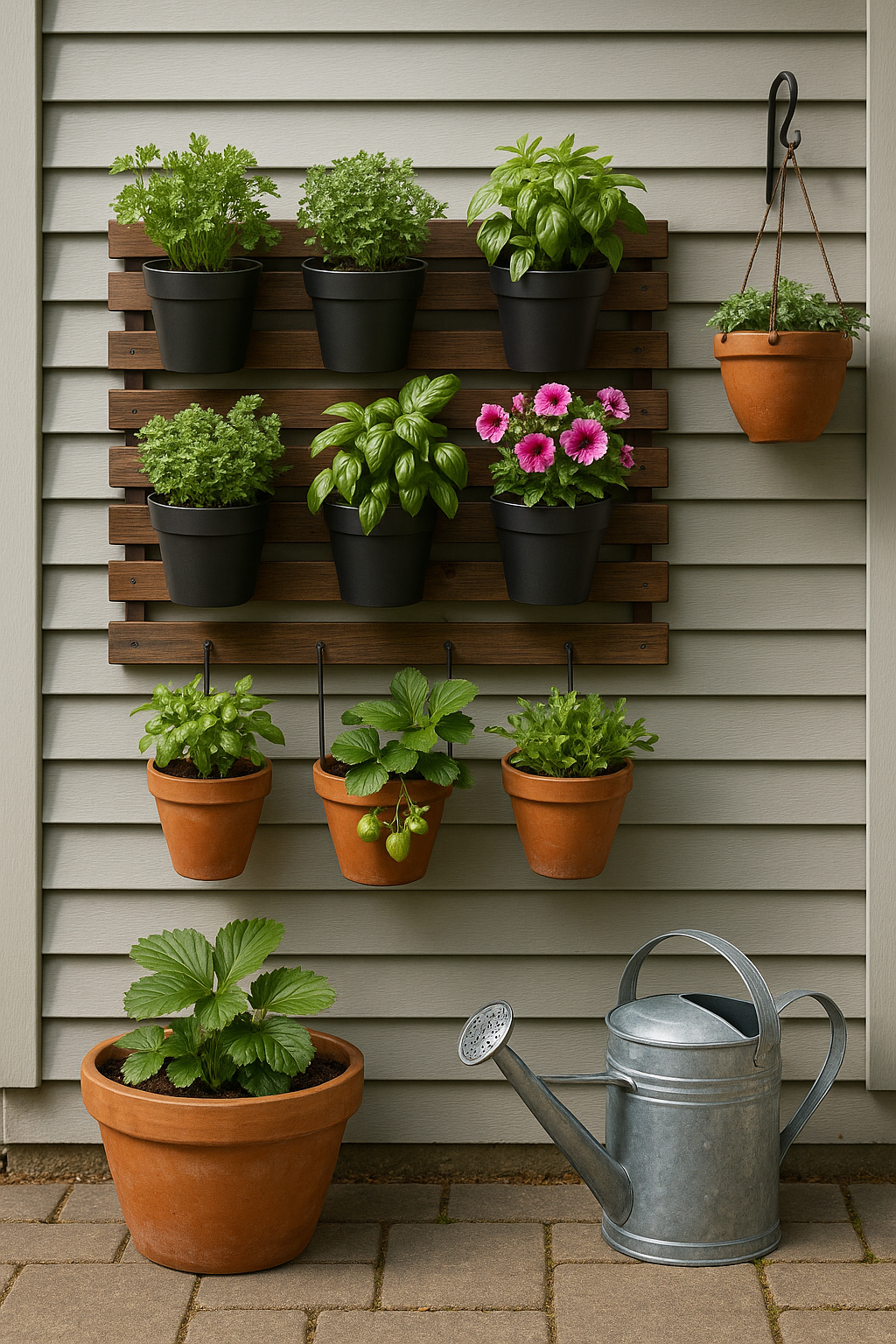
If you’re short on space but big on gardening dreams, a vertical garden might be the perfect solution. Vertical gardens allow you to grow plants upward instead of outward, making the most of walls, fences, balconies, or any narrow space around your home. They’re not only practical but also beautiful, turning bland vertical surfaces into lush, green displays. In this article, you’ll learn how to create a vertical garden at home—step by step.
What Is a Vertical Garden?
A vertical garden is any type of garden where plants grow vertically using structures like trellises, wall-mounted planters, shelves, or stacked containers. These gardens can be small enough for a balcony or large enough to cover an entire outdoor wall.
They’re perfect for:
- Urban gardeners with limited ground space
- Renters who need portable options
- People wanting to decorate bare walls or fences
- Gardeners looking to add more planting area without expanding their footprint
Benefits of Vertical Gardening
- Saves space: Ideal for balconies, patios, and small yards.
- Improves air circulation: Reduces risk of mold and pests.
- Reduces weeds: Fewer ground-level weeds to manage.
- Easier harvesting and maintenance: No bending required.
- Adds aesthetic value: Green walls can beautify any space.
Choose the Right Location
Select a spot that gets the appropriate amount of sunlight based on what you plan to grow. Most vegetables and herbs require 6–8 hours of sun per day, while some shade-loving flowers or ferns can thrive in less.
Great locations include:
- Balcony walls
- Fences
- Blank exterior house walls
- Garden trellises
- Indoor sunny corners (for houseplants or herbs)
Make sure the surface you choose can support the weight of your vertical structure once it’s filled with soil and plants.
Decide What You Want to Grow
Different types of plants do better in vertical environments than others. Here are a few ideal options:
Edible plants:
- Herbs: Basil, thyme, mint, parsley, oregano
- Leafy greens: Lettuce, spinach, arugula
- Strawberries
- Cherry tomatoes
- Peas and beans (climbers)
Decorative plants:
- Pothos
- Ferns
- Spider plants
- Ivy
- Succulents
- Petunias
- Begonias
Choose plants that match your light availability and maintenance preference. Avoid large, deep-rooted crops in smaller vertical setups.
Select a Vertical Garden Structure
There are many DIY and store-bought options for vertical gardens, depending on your space and budget.
1. Wall Planters
Mount pots or fabric pockets directly onto a wall. Great for herbs and flowers.
2. Trellises and Ladders
Use climbing plants like beans, peas, or flowering vines to grow up a vertical support.
3. Hanging Pots or Baskets
Hang pots from a ceiling, beam, or metal rod to create layers of greenery.
4. Pallet Gardens
Upcycle a wooden pallet by adding landscape fabric and soil behind the slats. Perfect for herbs or small flowering plants.
5. Shoe Organizer Planters
Hang a canvas shoe organizer on a wall or door, fill the pockets with soil, and plant herbs or lettuce.
6. Stacked Planters or Towers
Use tiered containers or create a DIY tower from PVC or stacked pots for strawberries, herbs, or leafy greens.
7. Bookshelves or Plant Racks
Place containers on a shelf unit or bookcase near a wall or window for an indoor vertical setup.
Build Your Vertical Garden
Once you’ve selected your structure, it’s time to build. Here’s a simple plan for a DIY vertical garden using a wooden pallet:
Materials:
- 1 wooden pallet (clean and heat-treated)
- Landscape fabric or burlap
- Staple gun
- Soil
- Your chosen plants
Steps:
- Lay the pallet flat with the open slats facing up.
- Attach fabric to the back, bottom, and sides of the pallet using the staple gun to hold the soil in place.
- Stand the pallet upright.
- Fill each pocket between the slats with quality potting soil.
- Plant herbs, flowers, or small veggies into each pocket.
- Water thoroughly and monitor regularly.
Let the garden rest horizontally for a week or two to allow plants to root before standing it fully upright.
Watering and Maintenance Tips
- Water regularly, as vertical gardens dry out faster than in-ground beds.
- Use a drip irrigation system or self-watering containers to simplify care.
- Fertilize lightly every few weeks with a balanced organic fertilizer.
- Trim or harvest frequently to keep plants healthy and prevent overcrowding.
- Check for pests or diseases since close plant proximity can make issues spread quickly.
Consider Indoor Vertical Gardens
If you don’t have outdoor space, you can bring vertical gardening indoors. Use a sunny window, vertical grow lights, and indoor-safe planters. Herbs, small greens, and trailing plants like pothos and philodendron do especially well indoors.
Decorate and Personalize
A vertical garden isn’t just practical—it’s a design element! You can:
- Paint or stain wood structures to match your décor
- Label herb planters with chalkboard paint
- Add fairy lights for evening ambiance
- Mix flowers and vegetables for a lush, layered look
Let your creativity shine while staying functional.
Growing Upward, Not Outward
A vertical garden is a creative, space-saving way to bring more green into your life. Whether you’re looking to grow your own herbs, maximize space on your balcony, or beautify a dull wall, vertical gardening offers flexibility, efficiency, and charm. With a bit of planning and regular care, your wall of green will flourish—and so will your love for gardening.