
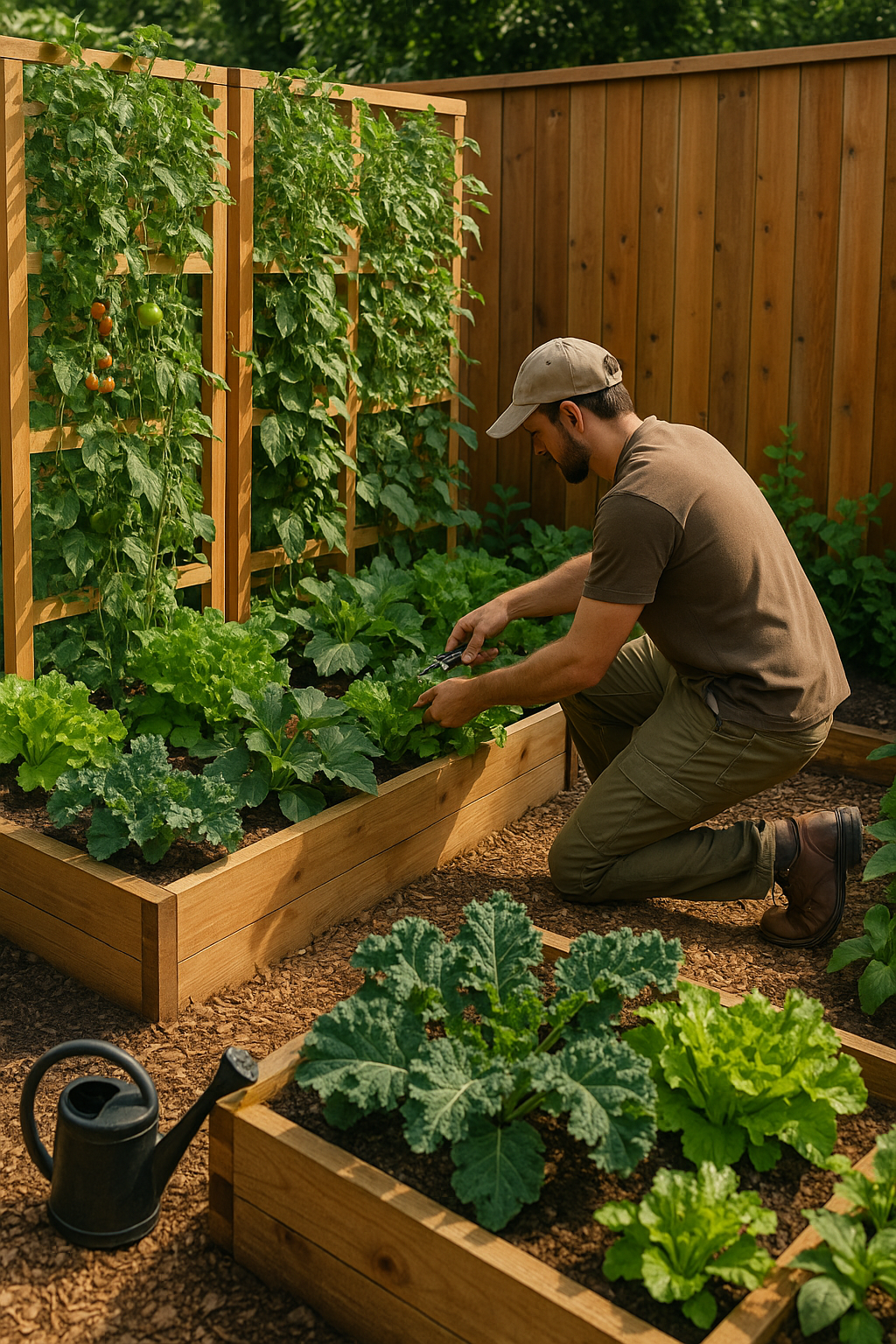
A backyard garden can be much more than just a place for flowers or grass—it can become a vibrant, productive space that provides fresh vegetables, herbs, fruits, and even flowers for cutting. Whether you have a small plot or a spacious yard, transforming your backyard into a productive garden is possible with the right planning and a few smart strategies. In this guide, you’ll learn how to turn your outdoor space into a thriving, food-producing garden.
Start with a Plan
The first step to creating a productive garden is planning. Consider the following questions:
- What do you want to grow? Vegetables, fruits, herbs, flowers, or a mix?
- How much time can you dedicate to gardening?
- Do you want a low-maintenance garden or a high-yield one?
- How much space do you have, and how is it currently used?
Draw a basic layout of your backyard and identify:
- Sunny vs. shaded areas
- Drainage patterns
- Existing plants or structures
- High-traffic zones
This will help you decide where to place your garden beds and how to organize the space efficiently.
Know Your Sunlight and Soil
Most edible plants require at least 6 hours of full sun daily. Observe your backyard throughout the day to determine which areas get the most sunlight.
Then, assess your soil quality. You can:
- Do a home soil test to check pH and nutrient levels
- Check the texture (clay, loam, sand)
- Smell it—healthy soil has a rich, earthy aroma
If your soil isn’t ideal, don’t worry. You can improve it with compost, raised beds, or even containers.
Choose the Right Growing Methods
Depending on your space and soil, you can choose one or more of the following growing systems:
1. In-Ground Beds
Great if your soil is fertile. It’s cost-effective but may require weeding and soil amendments.
2. Raised Beds
These improve drainage, warm up faster in spring, and are easier to manage. They’re ideal for poor or compacted soils.
3. Container Gardening
Perfect for patios, decks, or small yards. Use large pots, buckets, or even grow bags.
4. Vertical Gardening
Ideal for tight spaces. Use trellises, shelves, or wall-mounted planters to grow upward and maximize your growing area.
Start Small and Grow Over Time
It’s tempting to plant everything at once, but starting small allows you to learn as you go and avoid overwhelm. Begin with a few raised beds or a set of containers. Choose plants that are easy to grow and provide good yields, such as:
- Tomatoes
- Zucchini
- Leafy greens (lettuce, spinach)
- Herbs (basil, parsley, rosemary)
- Strawberries
- Radishes
Once you feel comfortable, expand your garden each season.
Build Healthy Soil
Productive gardens depend on healthy soil. Improve your soil with organic matter like compost, aged manure, or worm castings. You can make your own compost from kitchen scraps, yard waste, and shredded paper.
Add mulch around plants to:
- Conserve moisture
- Reduce weeds
- Regulate soil temperature
- Feed the soil as it breaks down
Avoid synthetic fertilizers and harsh chemicals, which can harm beneficial microbes and long-term soil health.
Install a Simple Irrigation System
Watering by hand is okay for small gardens, but as your garden grows, a drip irrigation system or soaker hose saves time and delivers water directly to plant roots.
You can also collect rainwater using barrels attached to your gutters—an eco-friendly way to keep your garden hydrated.
Use Companion Planting
Certain plants grow better when paired together. This method helps improve growth, reduce pests, and boost yield.
Examples:
- Tomatoes + basil: improves flavor and repels insects
- Carrots + onions: onions deter carrot flies
- Beans + corn: beans fix nitrogen in the soil
Avoid placing plants that compete or attract the same pests next to each other.
Attract Pollinators and Beneficial Insects
A productive garden depends on pollinators like bees and butterflies. Attract them by planting flowers such as lavender, zinnias, and sunflowers. Avoid chemical pesticides that harm these helpers.
You can also create a beneficial insect habitat by:
- Leaving small piles of leaves or rocks
- Growing plants like dill and fennel that attract ladybugs and parasitic wasps
- Including a shallow water dish with stones for bees to land on
Harvest Regularly and Rotate Crops
Frequent harvesting encourages plants to produce more. Pick fruits and vegetables when they’re ripe to keep them from overripening and attracting pests.
Rotate crops each season to prevent soil depletion and reduce disease. For example:
- Follow legumes (beans, peas) with heavy feeders (tomatoes, squash)
- Then plant root vegetables or leafy greens
This keeps the soil balanced and productive over time.
Add a Compost Station
Set up a compost bin in a corner of your yard to recycle kitchen and garden waste. Finished compost can be added back to your beds to feed your plants naturally and reduce the need for store-bought fertilizers.
You can even set up a worm composting bin if you want nutrient-rich “black gold” for your containers and raised beds.
Include Paths and Seating Areas
Your productive garden should also be a place of peace and enjoyment. Design simple gravel or wood-chip paths to access your plants without compacting the soil.
Add a bench, chair, or small table so you can relax, read, or sip tea while enjoying the space you’ve created.
Keep Learning and Enjoy the Process
Gardening is a journey. You’ll learn more every season—what grows well, what doesn’t, and what you enjoy planting the most.
Keep a simple garden journal with notes on planting dates, weather, successes, and challenges. These records help you improve year after year.
Your Backyard, Your Harvest
Turning your backyard into a productive garden is one of the most rewarding things you can do. It connects you to nature, provides healthy food, and turns unused space into something beautiful and beneficial. With smart planning, good soil, and steady care, your garden will flourish—and feed both your body and soul.